Northern Italy doesn’t announce itself so much as it accumulates — one plate, one glass, one unhurried afternoon at a time. This trip through Emilia-Romagna and Piedmont was built around that idea: two regions that take their food and wine seriously enough to have turned them into a kind of civic religion, and a route that let us move between the two without rushing either.
The trip was built around three highlights: lunch at Osteria Francescana in Modena, a two-day wine tour through Barolo and Barbaresco, and time spent in Turin, with Bologna as both starting point and final stop. Dining at Osteria Francescana, including a brief but memorable meeting with Massimo Bottura, set the tone early — a meal that takes classic Emilian staples like Parmigiano-Reggiano and balsamic vinegar and reimagines them without losing sight of where they came from.
From there we headed west into Piedmont for a two day wine tour, moving between Barolo and Barbaresco, tasting Nebbiolo from villages just a few miles apart that somehow produce wines with entirely different personalities. Turin followed, with its grand cafés and porticoed streets giving the trip a more elegant, unhurried final act before we circled back to Bologna.
Bologna made a fitting close. It’s a city built for eating well without pretense — porticoes overhead, tortellini and mortadella at every turn, and a university-town energy that keeps the historic center lively well into the evening. After the intensity of Francescana and the focus of the wine tour, it was the right place to slow down and let the trip settle.
Bologna
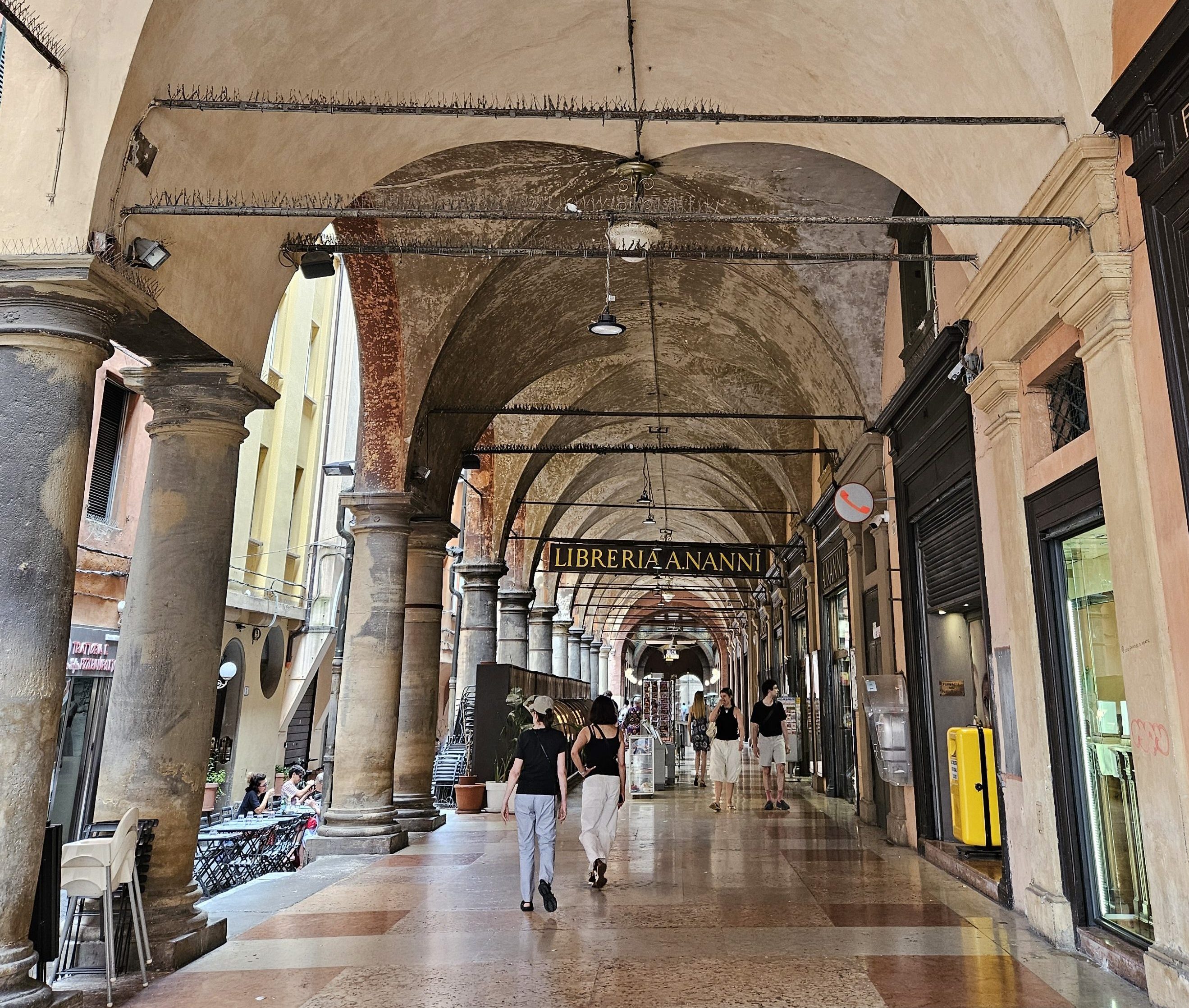
Bologna is a city that makes eating well feel like the default setting rather than a special occasion. The porticoes — over 40 kilometers of them, threading through the historic center — mean you can wander for hours regardless of weather, past deli windows stacked with mortadella and wheels of cheese, into small piazzas that open up unexpectedly. It’s a university town at heart, so there’s a current of youthful energy running under all that history, and it shows up most at aperitivo hour, when the bars along Via del Pratello and around Piazza Verdi fill up with locals nursing a spritz alongside more food than the price would suggest.
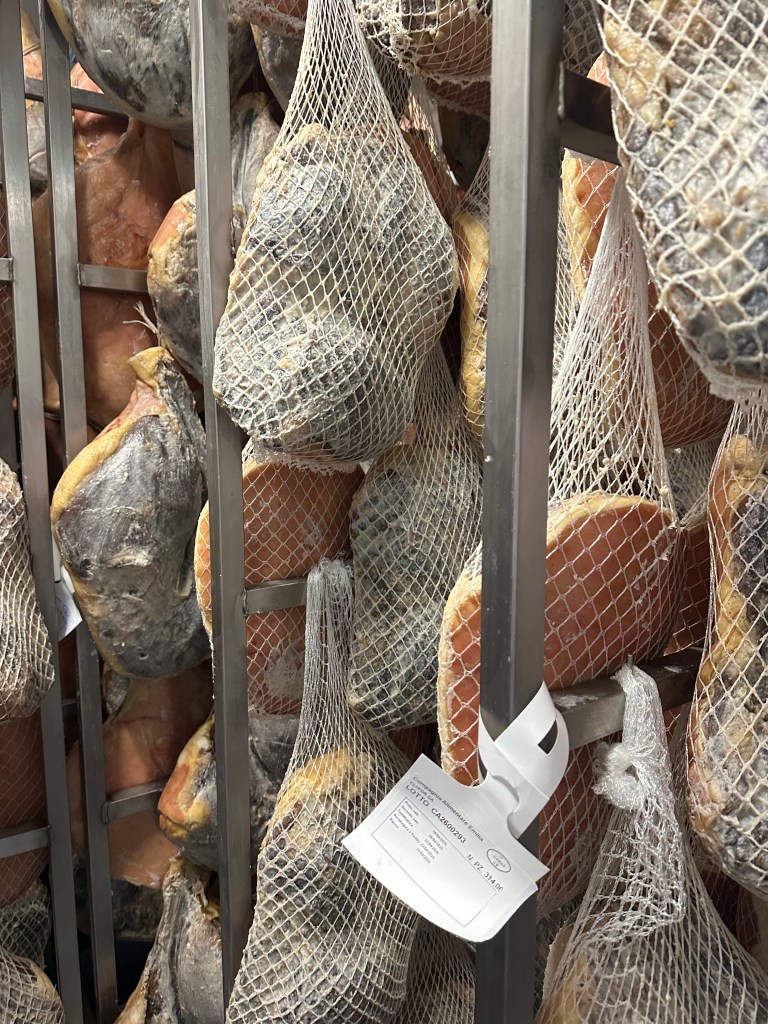
One of the best days of the trip was a food tour out to Modena, built around the three products the region is famous for. We visited a Parmigiano-Reggiano dairy early in the morning to watch the curds being worked by hand, toured a prosciutto producer to see hams aging by the thousands, and finished at a traditional balsamic vinegar producer, tasting vinegar that had been aging in progressively smaller wooden barrels for decades — a world away from anything sold in a supermarket. It’s the kind of tour that recalibrates how you think about ingredients you’d normally take for granted.
Another day took us out of the city entirely, to the medieval villages of Brisighella and Dozza in the surrounding hills. Brisighella is built around three distinctive hilltop landmarks — a clock tower, a fortress, and a sanctuary — with a winding old town beneath them known for its olive oil. Dozza, a little further on, is known for the murals painted directly onto its buildings, part of an ongoing tradition where artists are invited to leave their mark on the town’s walls every couple of years. Both were a quiet, slower-paced counterpoint to Bologna itself.
Back in the city, we happened to be there during Bologna’s month-long outdoor film festival in Piazza Maggiore, where each evening the piazza fills with rows of chairs facing a massive screen against the backdrop of the basilica. Between that, the nightly aperitivo ritual, and just strolling the porticoed streets with no particular destination, Bologna ended up being less a stop on the itinerary and more the rhythm the whole trip moved to.
Restaurants
- Trattoria Battibecco – One of my two favorite restaurants in Bologna. The dishes are exceptionally fresh, prepared with a light, confident touch that lets the ingredients shine. Every plate feels like it came straight from the Adriatic that morning—bright, clean flavors, perfectly cooked fish, and pastas that balance richness with a beautiful marine delicacy. Crudo arrives sparklingly fresh, grilled seafood is tender with just the right touch of char, and the seafood pastas are deeply satisfying without ever feeling heavy. Service is warm and polished, the room inviting, and the whole experience unfolds with an effortless charm.
- Ittico Ristorante Cucina di Mare – The second of my favorite restaurants in Bologna, Ittico Ristorante Cucina di Mare delivered a fantastic dining experience from start to finish. The service was exceptional—warm, attentive, and genuinely welcoming, making us feel well taken care of throughout the meal. One unexpected highlight was the breadsticks. They’re made from the restaurant’s secret recipe, and they were absolutely delicious—crispy, flavorful, and so addictive that we couldn’t stop reaching for more. Combined with the excellent seafood and inviting atmosphere, Ittico is a place I’d happily return to and highly recommend to anyone looking for a memorable meal.
- Posta – Posta is a charming spot in Bologna with a clear culinary point of view: Florentine classics done with care and confidence. Their menu leans into the flavors of Florence, and the standout is the famous bistecca—beautifully seared, deeply flavorful, and served with the kind of simplicity that shows real respect for the cut. It’s a warm, satisfying place to enjoy Tuscan cooking right in the heart of Bologna.
- Restaurant Da Cesari – Da Cesari is a beloved Bologna institution, serving deeply traditional dishes from the region with real warmth and pride. The cooking is hearty, soulful, and rooted in classic Emilia‑Romagna flavors—rich pastas, slow‑cooked meats, and recipes that feel lovingly passed down. It’s the kind of place where tradition isn’t just preserved, it’s celebrated.
- Enoteca Storica Vini Natural – Enoteca Storica Vini Natural is one of those wine bars that immediately wins you over with its remarkable selection and its easy, welcoming charm. The shelves are lined with an impressive range of wines—bottles from small producers, exciting new finds, and reliable favorites—so you can always discover something interesting. The food is far more than simple bar snacks. Everything is fresh, delicious, and generously portioned, the kind of small plates you happily turn into a full meal. What truly elevates the experience is the excellent, friendly, and genuinely helpful service. The staff guide you through the wine list with enthusiasm and real knowledge, making thoughtful recommendations without ever being pushy. It’s the kind of place where you feel taken care of.
Hotel
- Art Hotel Orologio https://www.art-hotel-orologio.com/ – Art Hotel Orologio is a wonderfully comfortable base in Bologna, made even better by its unbeatable central location right on Piazza Maggiore. Despite the city’s lively energy outside, the rooms stay perfectly calm—and during the 105‑degree heat, the excellent air‑conditioning was an absolute lifesaver, keeping the space cool without any noise or fuss. The staff are consistently friendly, helpful, and genuinely welcoming, offering thoughtful guidance and making every part of the stay feel easy. It’s a warm, reliable hotel in the very heart of the city, ideal for exploring Bologna while staying cool and well cared for.
Tours/Sites
- Bologna Food & Wine Tour (Italian Days Food & Wine Tours https://www.italiandays.it/ – Loved every minute of this tour! Seeing how Parmigiano-Reggiano, prosciutto, and traditional balsamic vinegar are actually made was fascinating — the passion and craftsmanship at each stop really came through. Our guide was knowledgeable and clearly loved sharing the region’s food culture. The lunch afterward was the perfect finish: fresh, packed with flavor from ingredients we’d just seen produced, and accompanied by multiple local wines and a party atmosphere. A wonderful way to experience Emilia-Romagna beyond the usual sightseeing. Highly recommend for anyone who loves food and wants a genuine taste of the region!
- Medieval Villages Getaway (The Village Italy Private Tour) https://www.thevillageitaly.com/– What a delightful day exploring Brisighella and Dozza! Both villages are gorgeous — winding medieval streets, hilltop views, and so much charm — but honestly, our guide Ilaria was the highlight. Warm, funny, and clearly passionate about the region’s history and stories, she made every stop come alive in a way we never could have on our own. It felt less like a tour and more like being shown around by a knowledgeable friend. The Village Italy did a wonderful job putting this together. Highly recommend, especially for the guide!
Modena
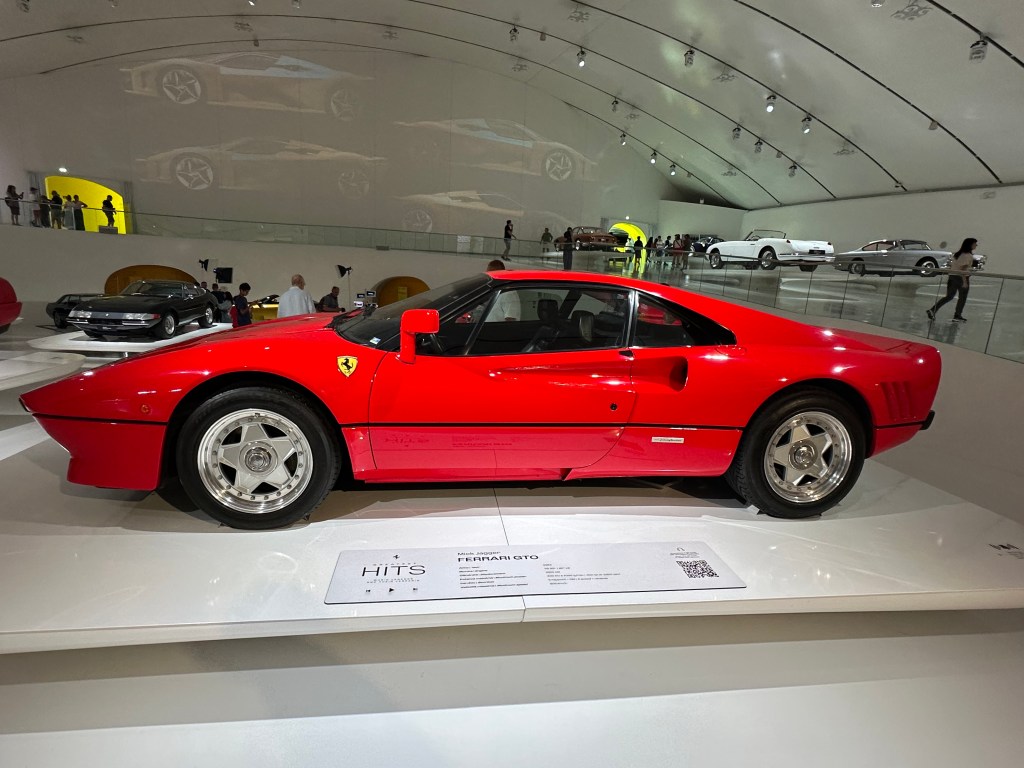
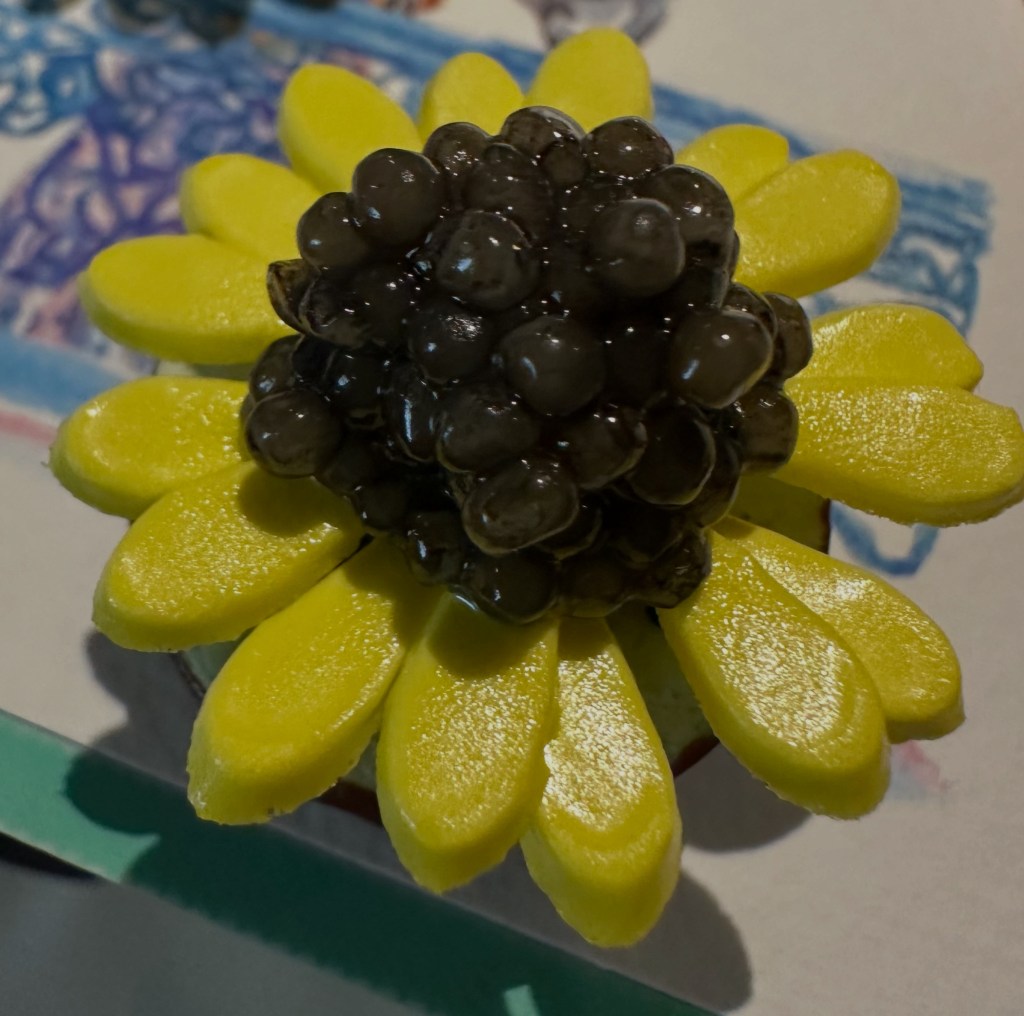
Modena, on paper, is just a short train ride from Bologna, but it has its own distinct character — quieter, more compact, and carrying an outsized reputation for two very different reasons. The first is speed: the Ferrari Museum, built around Enzo Ferrari’s childhood home and workshop, traces the company’s history through decades of race cars and road cars, and even for those who aren’t dedicated car people, there’s something undeniably compelling about standing next to that much engineering and design ambition in one room. The second is food, and Modena delivers there too, with lunch at Osteria Francescana. Afterward, there wasn’t much to do but walk — through the arcaded streets of the compact centro storico, past the Ghirlandina tower and the Duomo, with the kind of unhurried pace that small Italian towns seem to invite by default.
Restaurant
- Osteria Francescana – Osteria Francescana was, without question, the highlight of our entire trip. From the moment we sat down, it was clear this was going to be something extraordinary — every course felt like a story, blending playful creativity with deep respect for tradition and Modena’s culinary roots. Chef Massimo Bottura’s genius is on full display in every plate: bold, beautiful, and bursting with flavor, yet grounded in real heart and history. The service was flawless — attentive, warm, and clearly proud to share each dish’s inspiration. This wasn’t just a meal, it was one of the most memorable dining experiences of our lives. If you ever have the chance to eat here, take it — it’s worth every bit of the hype.
Tours/Sites
- Ferrari Museum https://www.ferrari.com/en-EN/museums – Revved up and ready for some serious car envy at the Ferrari Museum in Modena! From gleaming vintage classics to sleek modern race cars, this place is a playground for anyone who’s ever dreamed of going fast. The engine sounds alone give you chills, and getting up close to actual F1 cars is such a thrill. Even if you don’t know a piston from a spoiler, the sheer beauty and history on display will win you over. A must for car lovers — and honestly, a pretty great time even if you’re not!
Piedmont, La Morra
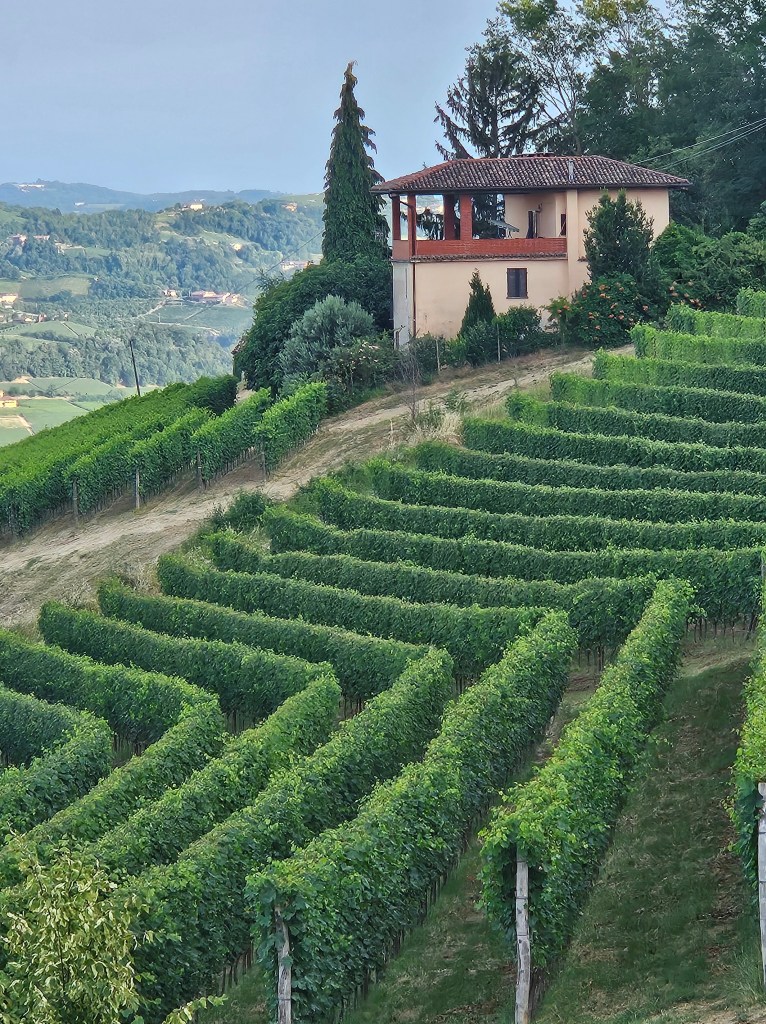
Piedmont felt like a different country from Emilia-Romagna, even though it was only a few hours’ drive away — hillier, quieter, and built around vineyards instead of porticoes. We based ourselves in La Morra, one of the prettiest villages in the Langhe, perched on a ridge with views stretching out over the vine-covered hills toward Barolo itself. Our hotel, Corte Gondina, was a wonderful home base — the kind of place with enough charm and comfort that it was tempting to just stay put and watch the light change over the vineyards each evening.
We ate well throughout, with three memorable dinners over the course of the stay, but BelSit in Langa stood out above the rest — unpretentious, deeply satisfying food that let the local ingredients and wines do the talking, in a setting that matched the quality of the cooking. It’s the kind of restaurant that makes you understand why people build entire trips around this corner of Piedmont.
The centerpiece of our time there was a two-day wine tour through Barolo and Barbaresco, the two villages most associated with Nebbiolo, Piedmont’s signature red grape. What struck us most was how differently the same grape expresses itself just a few miles apart — Barolo producing wines that are structured, tannic, and built for aging, while Barbaresco tends toward something a touch more elegant and approachable in its youth. Moving between small, family-run cellars and tasting through vintages with the producers themselves gave the whole tour a personal, unhurried feel — less a checklist of tastings and more a slow education in a place that clearly takes its wine as seriously as Emilia-Romagna takes its food.
Restaurants
- BelSit in Langa – BelSit in Langa is one of those rare places where everything comes together beautifully. The outdoor tables overlook the rolling hills of La Morra, offering a sweeping, sun‑washed panorama that feels almost unreal. It’s the kind of view that makes you slow down, breathe a little deeper, and savor every moment. The food is exceptional — deeply flavorful, thoughtfully prepared, and true to the region. It’s the kind of meal where you remember each course long after you’ve left. Service is warm, attentive, and genuinely welcoming. The staff strikes that perfect balance of professionalism and ease, making the experience feel relaxed yet special.
- La Locanda Fontanazza – La Locanda Fontanazza delivers a wonderfully satisfying meal in a warm, welcoming setting. The food is fresh, flavorful, and beautifully prepared — the kind of cooking that feels both comforting and refined. Service is attentive and genuinely kind, creating an easy, relaxed experience from start to finish. A lovely spot in La Morra where good food and gracious hospitality come together.
- Osteria More e Machine – Osteria More e Macine has a lively, youthful energy that makes it a fun place to spend an evening, and the crowd gives the room a spirited, social feel. The food itself is good — well‑made, flavorful dishes that show care in the kitchen. Service, however, can be uneven. The staff is friendly but clearly still finding their footing, and the hospitality doesn’t match what you would expect. It’s a spot with charm and potential, especially if you’re in the mood for a casual, upbeat night out, but it benefits from a bit of patience.
Hotel
- Corte Gondina Hotel, La Morra https://www.cortegondina.it/en/ – Corte Gondina Hotel is one of La Morra’s gems—a beautifully restored boutique property that feels both elegant and deeply relaxing. The hotel’s lovely grounds are a highlight: peaceful outdoor spaces perfect for lingering over breakfast or a glass of Barolo, and a serene swimming pool surrounded by greenery that makes afternoons feel wonderfully indulgent. The atmosphere is warm and refined, but never fussy. What truly sets the experience apart is the exceptionally friendly and helpful staff. The team is attentive in all the right ways—ready with thoughtful recommendations, quick to assist, and genuinely invested in making your stay memorable. A gorgeous setting, inviting outdoor areas, and gracious hospitality come together to make Corte Gondina a standout stay in the heart of Barolo country.
Tours/Sites
- Piedmont Secrets with Sara https://www.openpiedmonttours.com – Two incredible days in the heart of Barolo and Barbaresco with Open Piedmont Tours! Sara was an amazing guide — warm, knowledgeable, and truly passionate about sharing the best of Piedmont. We visited four wonderful vineyards, including Rizzi and Ca’ Nova, tasting exceptional wines straight from the source, and wandered through the beautiful villages of Treiso, Neive, Monforte d’Alba, Barolo, and Novello. Every stop felt curated and personal, never rushed or touristy. Sara’s love for the region and its wines really shone through and made the whole experience unforgettable. If you want an authentic, in-depth taste of Piedmont wine country, this is the tour to book!
Turin

Turin was the trip’s final shift in register — grander and more formal than the villages of the Langhe, with a stately, almost imperial feel that comes from centuries as the seat of the House of Savoy. A walking tour through the city center was the right way to get oriented, tracing the long arcaded boulevards, the grand piazzas, and the baroque façades that make Turin feel more like a smaller Paris or Vienna than a typical Italian city. The Savoy Royal Palace was a highlight — room after room of gilded excess that made clear just how much wealth and ambition once ran through this city as the historic capital of the Kingdom of Sardinia and, briefly, unified Italy.
Turin also holds two collections that punch well above what you’d expect from a mid-sized Italian city. The Egyptian Museum is the real surprise — the second-largest collection of Egyptian antiquities in the world after Cairo, and vast enough that even a few hours only scratches the surface. The Holy Shroud of Turin, housed in the Cathedral of San Giovanni Battista, is a different kind of experience entirely — the shroud itself isn’t always on display, but the chapel built to house it, and the centuries of controversy and devotion surrounding the relic, make it worth the visit regardless.
In the evenings, Turin’s café culture came into its own. The city all but invented the modern aperitivo, and the grand, old-world bars around Piazza San Carlo and Via Po lean into that history — ornate interiors, vermouth made just up the road, and small plates that arrive unbidden the moment you order a drink. We closed out more than one evening with a walk along the River Po after dark, the water reflecting the lit-up hills of the Basilica di Superga in the distance, a quiet, easy way to end each day in the city.
Restaurants
- Magazzino 62 – Magazzino 62 is a delight — a restaurant that feels both inventive and deeply rooted in its love of wine. The food is delicious and creative, with dishes that show real imagination without ever losing balance or flavor. What makes the experience truly special is the atmosphere: dining among the wine shelves in this charming wine store gives the meal a warm, intimate, almost secret‑hideaway feel. A wonderful spot for anyone who loves great cooking and the cozy magic of being surrounded by bottles.
- Raffaello – Raffaello offers a polished, satisfying dining experience with well‑prepared dishes and attentive service. The atmosphere is warm and inviting, making it an easy place to enjoy a relaxed, well‑executed meal.
- Contesto Alimentare – Contesto Alimentare is a charming spot with well‑crafted dishes and a warm, easygoing atmosphere. The food is thoughtful and flavorful, and the service is friendly in a way that makes the whole experience feel relaxed and genuine. A fine choice for a simple, well‑executed meal.
- Floris House – Floris House offers a truly lovely aperitivo experience — one that feels both stylish and effortlessly charming. The setting is beautiful, surrounded by trees, plants, and flowers that create a soft, garden‑like atmosphere perfect for lingering. The crowd is chic without being pretentious, adding to the sense of easy elegance. Cocktails are excellent, thoughtfully made and served with real care and the generous (and delicious) food spread served with them is astonishing. Altogether, it’s a gorgeous spot to unwind in a refined, natural, and wonderfully inviting environment.
Hotel
- Grand Hotel Sitea – Grand Hotel Sitea in Turin was a disappointment from start to finish. It presents itself as a five‑star luxury property, but the reality falls far short. The rooms are dated and in clear need of renovation . Service was equally underwhelming. Staff members were not particularly helpful or friendly, and there was an unmistakable air of arrogance that made even simple requests feel uncomfortable. For a hotel claiming luxury status, the lack of genuine hospitality was striking. Overall, Grand Hotel Sitea does not deliver the quality, comfort, or service expected of a true five‑star hotel.
Tours/Sites
- Must-See Attractions Walking Tour of Turin (Get Your Guide) – Turin is such an underrated Italian city, and this walking tour was the perfect introduction. Our guide brought real energy and deep local knowledge, weaving together the history of the Savoy dynasty, the city’s elegant arcades, and its surprisingly rich café culture. We covered the major squares and landmarks at a comfortable pace, with plenty of time for photos and questions. What stood out most was how our guide made Turin feel personal rather than just a checklist of sights — pointing out small details we’d have completely missed on our own, like architectural quirks and local traditions tied to specific piazzas. Highly recommend this as a first activity in Turin to get your bearings and fall in love with the city.
- The Path of The Holy Shroud Tour – (Get Your Guide) – A must in Turin but I would find a shorter tour (this one was three hours) as this could have been easily combined with the Savoy Royal Palace tour.
- Savoy Royal Palace Tour – (Get Your Guide) – The Palazzo Reale is a stunning, opulent glimpse into the House of Savoy, and having a guide made all the difference. Rather than wandering through gilded rooms without context, we got the full story — the power struggles, the family drama, and how each room’s design reflected the political ambitions of the time. The Royal Armory and the gardens were highlights, and our guide was great about pacing the tour so we didn’t feel rushed through any one section. A must for anyone interested in Italian history or over-the-top royal interiors.
- Museo Egizio (Egyption Museum) – Do not skip this museum — it’s one of the finest Egyptian collections in the world outside of Cairo, and Turin doesn’t get nearly enough credit for it. We budgeted a couple of hours and could easily have stayed longer; the collection is enormous and beautifully curated, from the Tomb of Kha (stunningly preserved, with everyday objects that make ancient life feel immediate) to the hall of statues, which is genuinely breathtaking as you walk through it. The museum does an excellent job balancing scale with detail — you get the grandeur of massive statuary alongside intimate, well-explained artifacts. The layout flows logically through different eras, and the English-language information is thorough without being overwhelming. Plan for at least 2-3 hours if you want to do it justice, more if you love ancient history. Go early if you can — it gets busy, and this is not a museum to rush through. An absolute must-see in Turin.
Heading Home
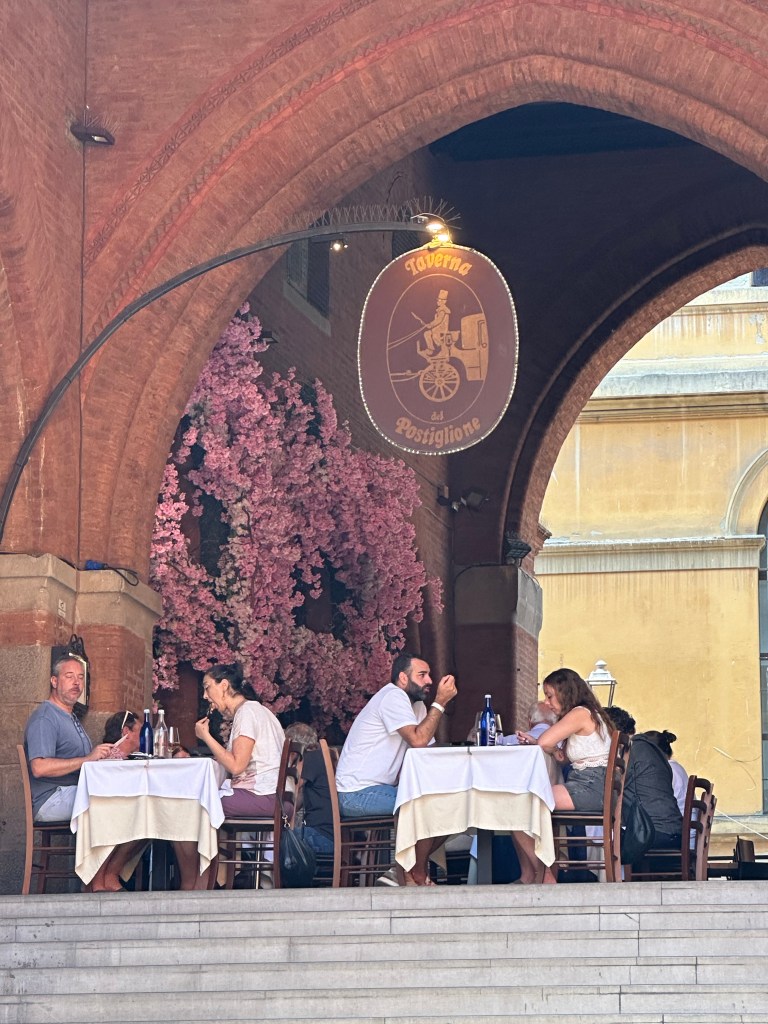
Looking back, the trip had a kind of natural arc to it — Bologna’s easy warmth and porticoed streets, the precision and ambition of a meal like Osteria Francescana, the slower rhythm of Piedmont’s vineyards and hill towns, and finally the grandeur of Turin before circling back to Bologna one last time. What tied it all together wasn’t any single meal or view, but the sense that both regions treat food and wine as something worth taking seriously without ever feeling stuffy about it — whether that meant a family-run cellar in Barbaresco or an aperitivo bar under Turin’s arcades. It’s the kind of trip that doesn’t really end when you get home; it just changes what you reach for at dinner.