
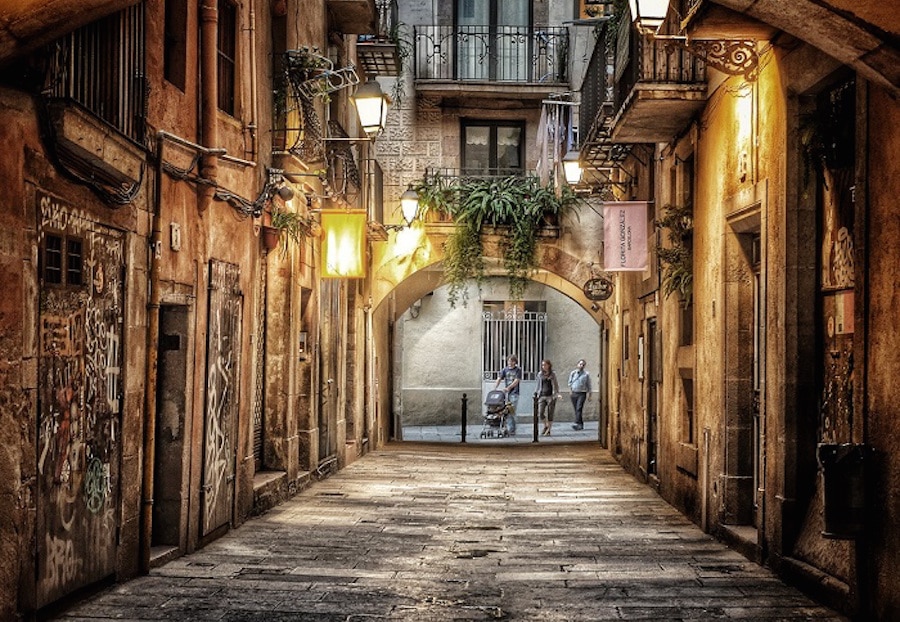
Every January for the past seven years, we’ve slipped back into Barcelona as if returning to a familiar melody—one the city and we have been composing together, winter after winter. While others chase summer sun, we’ve come to love Barcelona in its softer season, when the light is gentler, the streets quieter, and the rhythm of daily life feels more intimate. This annual pilgrimage has become the way we begin our year: wandering old streets, rediscovering favorite corners, and letting the city remind us who we are and who we’re becoming.
This year feels especially joyful as six of our closest friends joined us. There’s something magical about sharing familiar wonders with fresh eyes: watching them gaze up at the soaring spires of the Sagrada Família, wander through the dreamlike curves of Gaudí’s houses, lose themselves in the museums that have become part of our annual rhythm and dine at our favorite Tapas Bars. Revisiting these places together turns our well‑worn favorites into new discoveries, again reminding us why this city continues to call us back, year after year.
Carnival
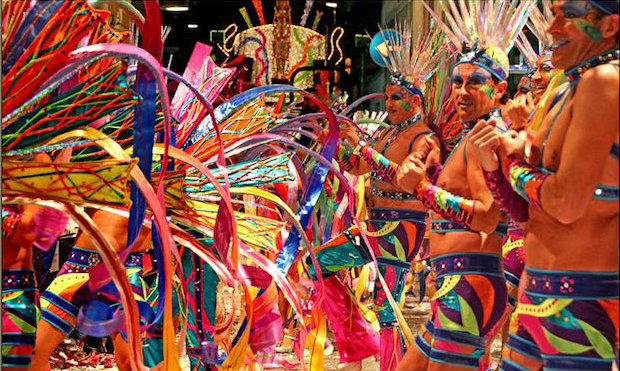
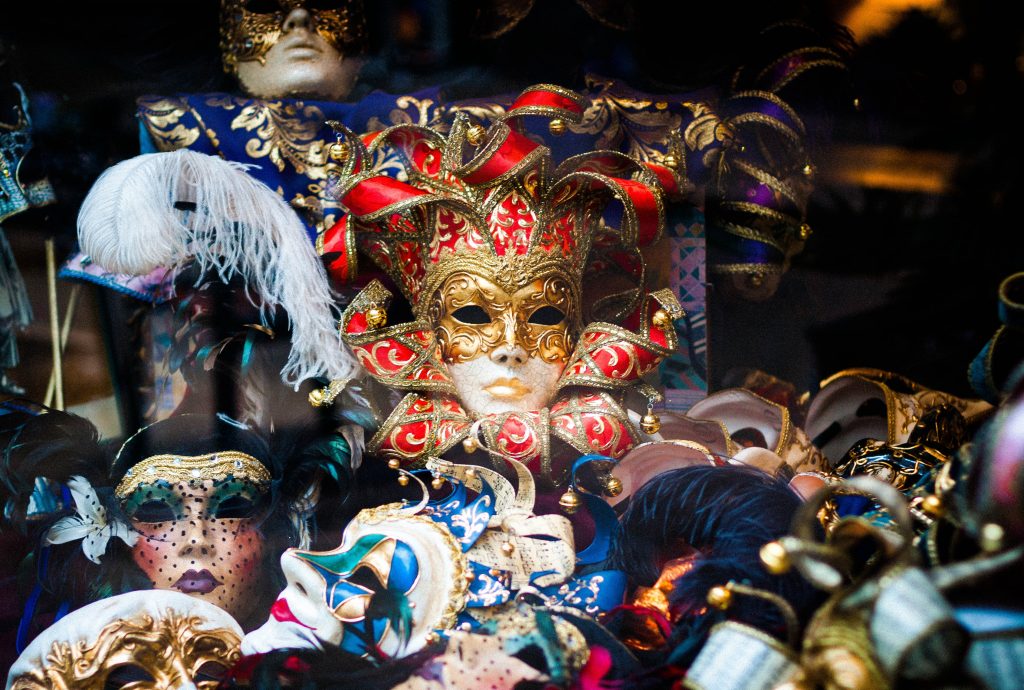
We timed our trip to coincide with Mardi Gras and being in Barcelona for the festivities feels like stepping into a city that has decided, all at once, to loosen its shoulders and dance. The winter light glows a little brighter, the streets hum with color, and every plaza seems to pulse with music, masks, and laughter. There’s something irresistible about watching locals and visitors swirl together in celebration—children chasing confetti, drummers echoing through the Gothic Quarter, and costumed revelers turning even the narrowest alley into a stage. It’s Barcelona at its most playful, a joyful contrast to the architectural grandeur and museum-filled days, and a reminder that this city knows how to celebrate life with both elegance and abandon.
Sightseeing
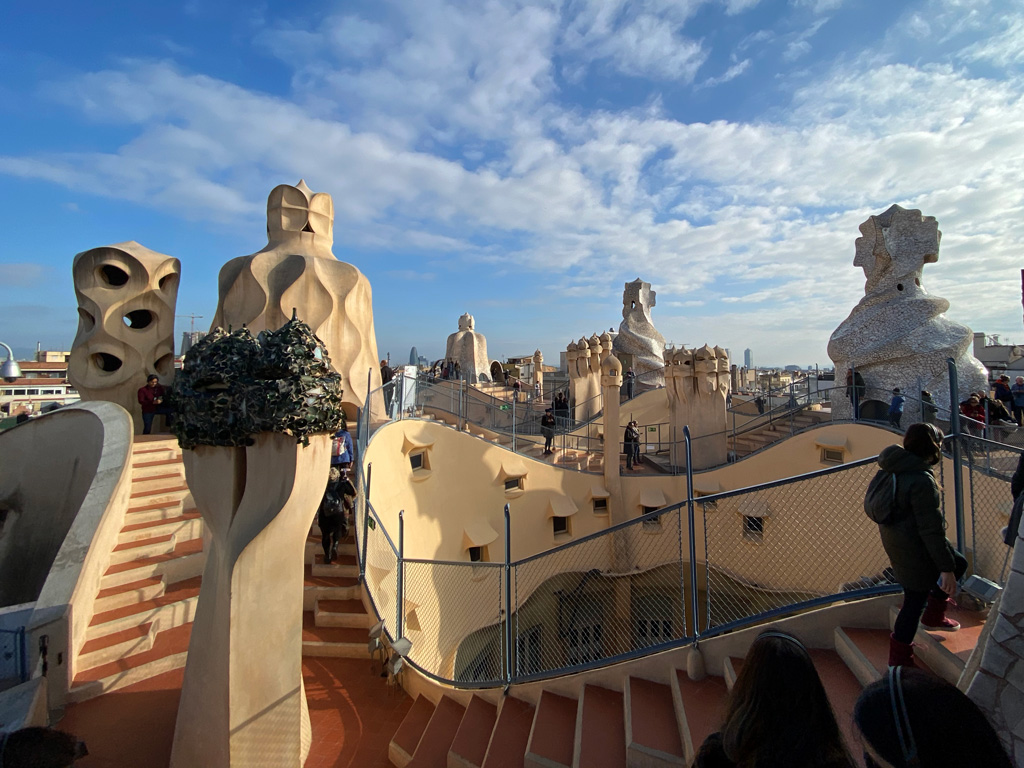
As we were staying a month, our Barcelona sightseeing could stretch over multiple days. We began at La Pedrera – Casa Milà, where Gaudí’s stone waves seemed to rise and fall with the soft light of the day. Walking through its sculpted corridors and up to the rooftop, we found ourselves surrounded by those iconic chimneys—warriors of clay and imagination—standing guard over the Eixample. No matter how many times we visit, the building feels alive, shifting subtly with each return.
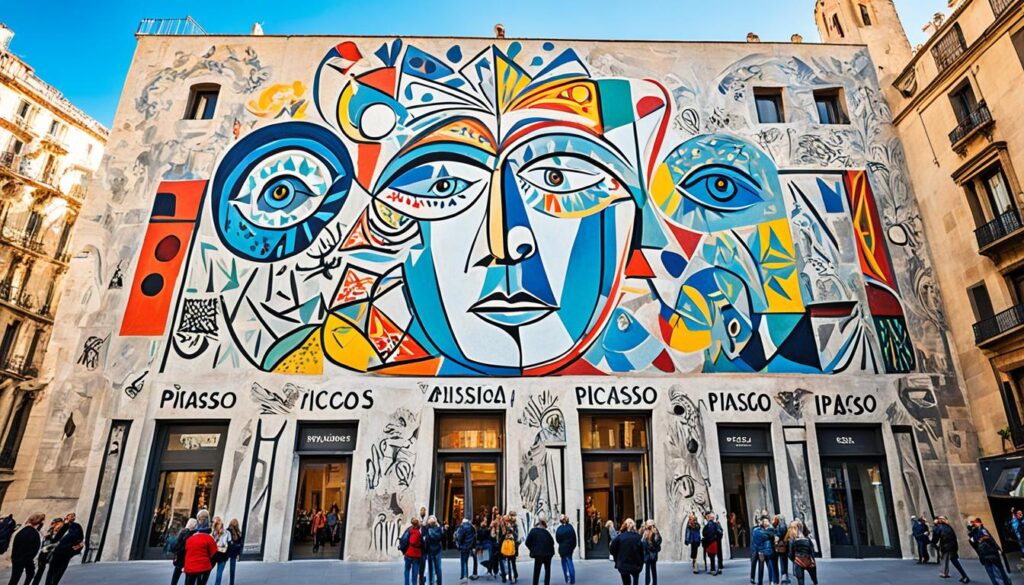
From there, we slipped into the quiet, contemplative world of the Picasso Museum. Room by room, we followed the artist’s evolution—from early sketches full of promise to the bold, restless experimentation that defined his later years. Seeing his work in the city that shaped his youth always adds a layer of intimacy, as if Barcelona itself is whispering the backstory.
A short walk brought us to Casa Batlló, shimmering like a jewel box in the sun. Its façade—mosaic scales, bone-like balconies, and a roof that feels ready to take flight—remains one of Gaudí’s most poetic gestures. Inside, the flowing lines and luminous blues wrapped around us like an underwater dream, reminding us why this house never loses its magic.
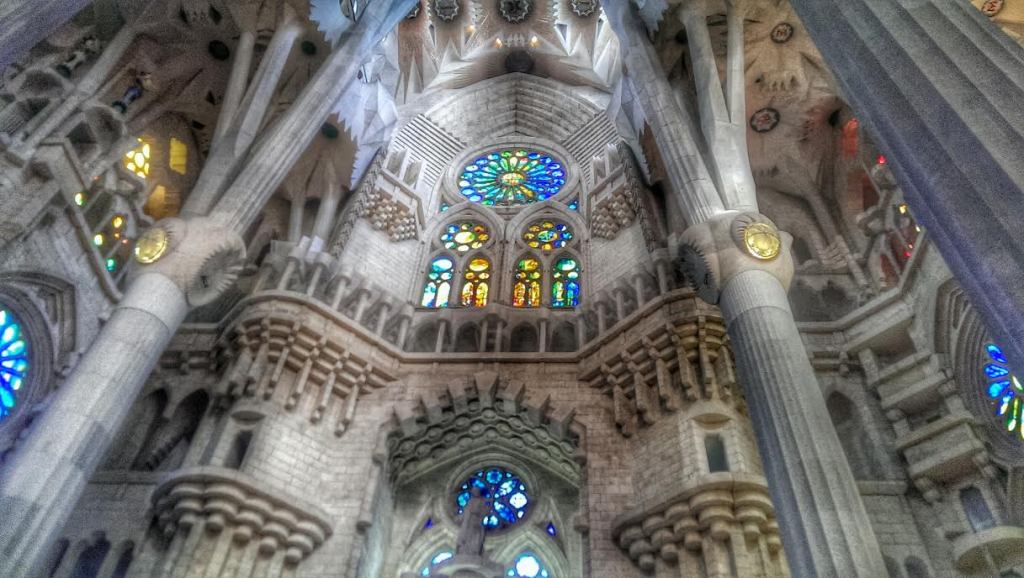
And then, the masterpiece that always stops us in our tracks: La Sagrada Família. Each visit feels like stepping into a living cathedral—one that grows, transforms, and breathes with the passing years. Inside, the stained-glass light poured over us in waves of color, turning the stone columns into a forest of glowing trunks. It’s impossible not to feel lifted, even if only for a moment.
We strolled through the Gothic Quarter stopping at the Cathedral of Barcelona, where centuries of history echo through its cloisters and chapels. The geese wandered the courtyard with their usual calm authority, and the cool stone arches offered a serene counterpoint to Gaudí’s exuberance. It was the perfect final note—quiet, timeless, grounding.
Exploring Barcelona’s Ancient Roman Past
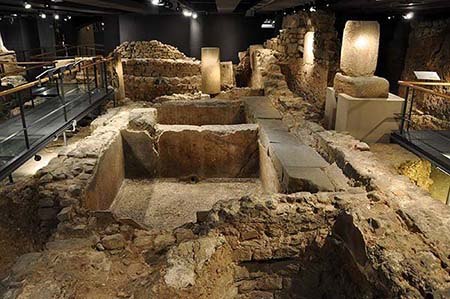
Exploring Barcelona through its ancient Roman past feels like peeling back the layers of a city that has reinvented itself countless times while still carrying its origins just beneath the surface. Nowhere is this more vivid than at the MUHBA, where the underground city of Barcino comes alive in a maze of preserved streets, workshops, wine‑making facilities, and homes. Walking along those stone pathways—still marked by ruts from Roman carts—you get a rare sense of daily life from nearly two thousand years ago. It’s immersive, atmospheric, and surprisingly intimate, as if the ancient city has been quietly waiting for you beneath the Gothic Quarter.
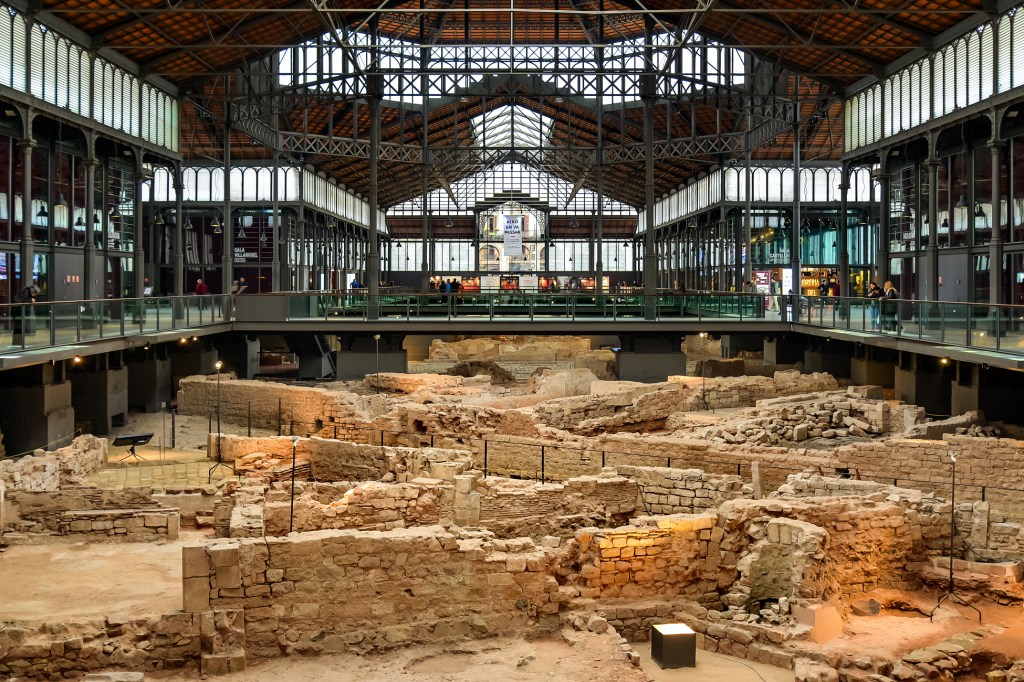
A short walk away, the Born Cultural Center expands the story, revealing the archaeological remains of an entire neighborhood frozen in time. Though the ruins date from later centuries, the center beautifully contextualizes Barcelona’s long urban evolution, showing how the Roman foundations shaped the medieval and early modern city. Standing above the excavated streets, you can trace the outlines of homes, workshops, and public spaces, all framed by the soaring iron architecture of the old market hall. It’s a powerful reminder of how history accumulates in layers, each era building upon the last.
Scattered throughout the Gothic Quarter are the city’s most evocative Roman fragments, each one offering a glimpse into Barcino’s original footprint. The Roman Wall and Gates still anchor parts of the old city, their massive stones rising unexpectedly between medieval buildings. Tucked behind a quiet courtyard, the Temple of Augustus stands as one of Barcelona’s most astonishing surprises—four towering columns from the 1st century BCE, preserved almost miraculously within the fabric of the modern city. And just beyond the old walls, the Roman Necropolis at Plaça de la Vila de Madrid reveals rows of ancient tombs, a solemn and fascinating reminder of how the Romans honored their dead.
Together, these sites create a vivid, walkable journey through Barcelona’s earliest chapters. They show a city that has always been dynamic, layered, and alive—where the ancient world still whispers beneath the rhythm of modern life.
Museums
Over the course of several days, we wandered through Barcelona’s museums like travelers moving through chapters of a beautifully illustrated book. Each stop revealed a different facet of the city’s creative spirit—some grand and iconic, others intimate and quietly profound. We began with the Picasso Museum. From there, we dove into the contemporary pulse of the Moco Museum, where digital art, immersive installations, and bold statements filled every corner. The contrast between Picasso’s classical foundations and Moco’s rebellious energy was exhilarating. Just steps away, the Banksy Museum added another layer to the story—street art elevated to a curated experience, yet still carrying the bite, humor, and social commentary that make Banksy’s work so compelling. Together, these modern spaces felt like Barcelona’s wink to the present moment, a city unafraid to embrace the new while honoring the old.
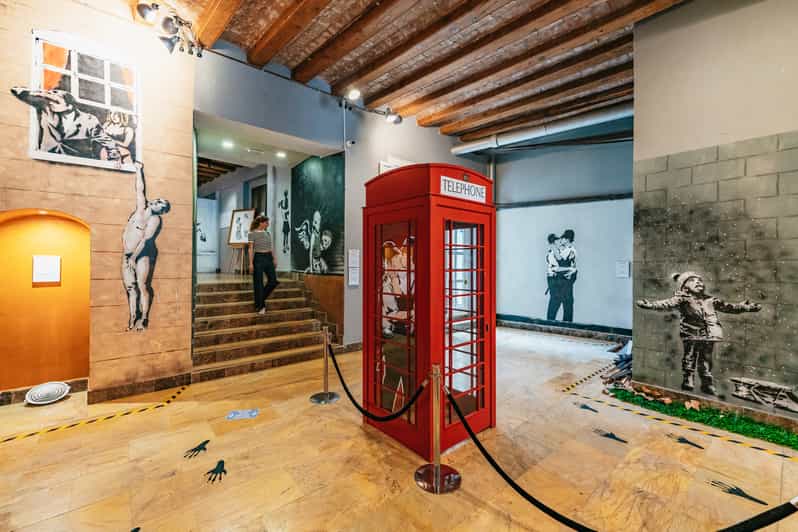
The next day brought us to the majesticNational Art Museum of Catalonia (MNAC), perched above the city like a palace of memory. Inside, centuries of Catalan art unfolded—from Romanesque frescoes glowing with ancient devotion to modernist masterpieces that echoed the city’s architectural daring. Standing on the terrace afterward, with the fountains and boulevards stretching toward Montjuïc, we felt the sweep of history beneath us.
Our cultural journey continued with two architectural gems that blur the line between museum and monument. At the Palau de la Música Catalana, we stepped into a world of stained glass, sculpted muses, and swirling ornamentation—a concert hall so ornate it feels alive. Every detail seemed to sing. And at Sant Pau Recinte Modernista, the former hospital complex revealed itself as a quiet masterpiece: pavilions of colorful tilework, gardens designed for healing, and a serenity that made it one of the city’s most unexpected treasures.
We also sought out Barcelona’s lesser-known museums, each offering its own window into the city’s identity. The Museu Etnològic surprised us with its thoughtful exploration of global cultures and everyday objects—an intimate reminder that beauty often lies in the rituals of daily life. And at the Maritime Museum, housed in the grand medieval shipyards, we traced Barcelona’s deep connection to the sea. Full-scale vessels, nautical maps, and centuries of maritime history brought the city’s seafaring past vividly to life.
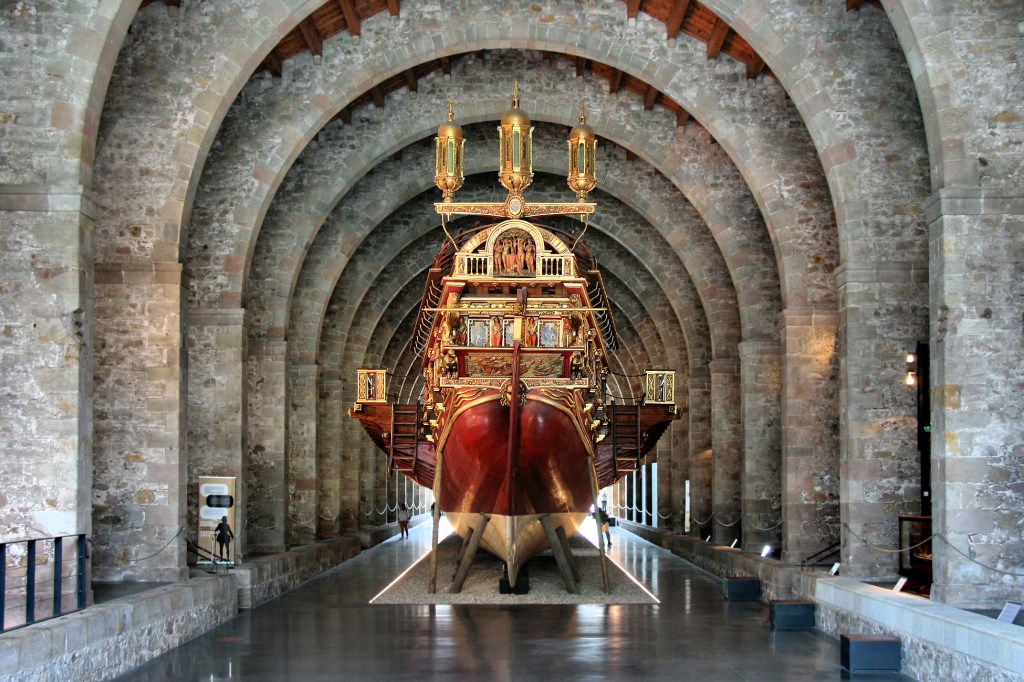
By the end of our museum days, we felt as though we had traveled not just across Barcelona, but through time, imagination, and the many layers that make this city endlessly captivating. From world-renowned masterpieces to hidden gems tucked into quiet corners, each museum added its own color to the mosaic of our journey.
Day Trips & Concerts
Andora, France & Spain – A day trip to the Pyrenees in January sounds romantic on paper, but ours never quite lived up to the promise. The cold wasn’t the crisp, refreshing kind—it was the bone‑deep, face‑numbing kind that makes wandering through mountain towns feel more like an endurance test than an adventure. Most of the small Spanish and French villages we stopped in were practically shuttered for the season, leaving us with little more than empty streets and closed signs to explore. By the time we reached Andorra, the contrast wasn’t exactly an improvement. Instead of alpine charm, it felt like one sprawling shopping complex built around low‑tax retail. If you’re not in the mood to browse endless stores, there isn’t much else to hold your attention. Overall, the itinerary covered a lot of ground but delivered very little substance. For a winter day trip, it ended up being more time on the road than meaningful experiences—proof that not every scenic route is worth taking in January.
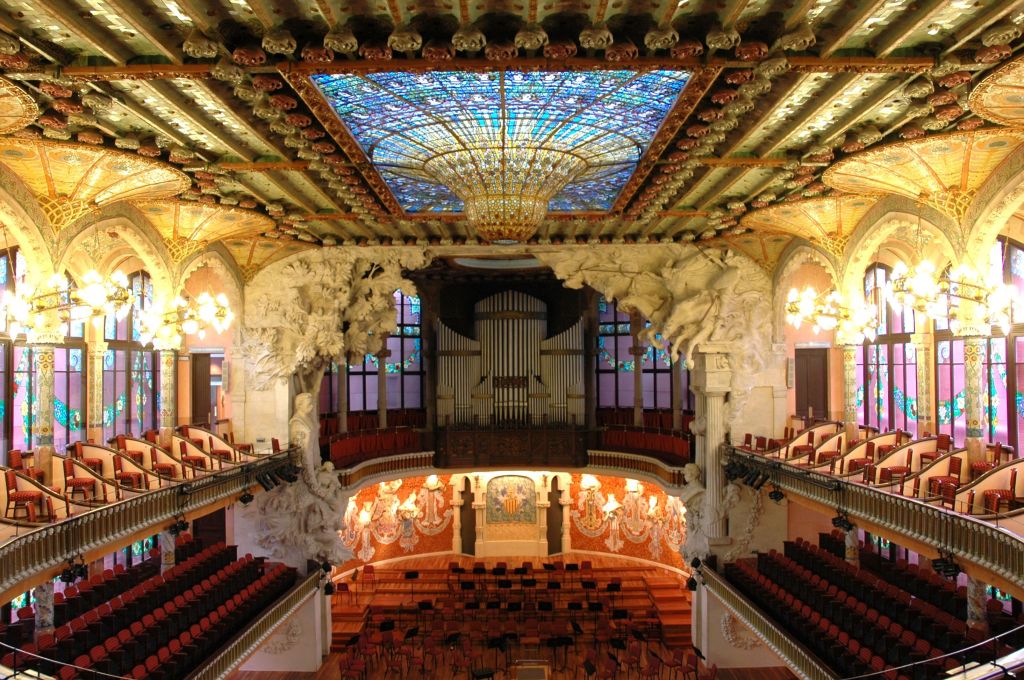
La Traviata at Palau De La Musica – The performance of La Traviata at the Palau de la Música felt like stepping into a dream woven from music and light. Verdi’s score soared beneath the stained‑glass skylight, each aria echoing through the hall’s intricate mosaics and sculpted balconies as if the building itself were singing along. The intimacy of the space made every moment feel immediate and deeply human—Violetta’s fragility, Alfredo’s longing, the sweeping drama unfolding just a breath away. Surrounded by the Palau’s shimmering beauty, the opera took on an almost transcendent quality, turning a familiar classic into an unforgettable, heart‑stirring experience.
Restaurants
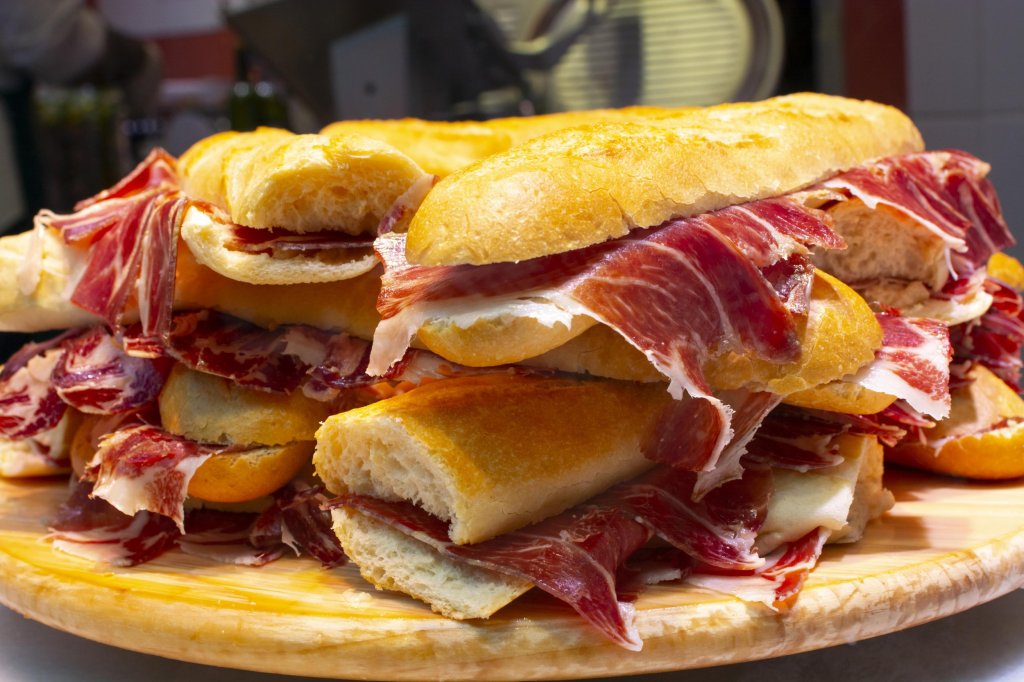
- Tapeo Born – usually our first night go to restaurant. Tapeo is one of those rare tapas bars that manages to feel both effortlessly casual and quietly exceptional. The dishes are rooted in Catalan tradition but elevated with a finesse that never feels forced—just pure, confident cooking. From the perfectly crisp croquettes to the beautifully balanced seafood plates, every bite shows care and intention. The atmosphere is lively without being chaotic, the service warm and attentive, and the whole experience leaves you feeling like you’ve tapped into something genuinely local and delicious. A standout choice for anyone who loves tapas done with heart and precision.
- Sala Restaurant Colmado – one of those Barcelona spots that wins you over the moment you walk in. The room glows with a cozy, romantic warmth, the kind that makes conversation feel unhurried and the evening feel special. The team adds to that charm with genuinely warm, attentive service that never feels forced. And the food—beautifully prepared, flavorful, and comforting—rounds out the experience with quiet confidence. It’s the perfect place for an intimate dinner that feels both relaxed and memorable.
- ABANIC – is the kind of casual Barcelona restaurant that reminds you how effortless great dining can feel. It has an easygoing, welcoming energy—bright, relaxed, and unpretentious—yet the food is executed with a level of care that lifts the whole experience far above the ordinary. Dishes arrive vibrant and full of flavor, the kind of cooking that’s simple in spirit but beautifully done, with fresh ingredients and confident technique shining through. The service matches that tone: friendly, attentive, and genuinely warm. ABANIC delivers exactly what you hope for in a casual spot—great food, relaxed charm, and a sense of authenticity that makes you want to return.
- Osmosis – delivers the kind of dining experience that stays with you long after the meal ends—creative, delicious food served in a setting that feels both intimate and deeply personal. The restaurant’s family story is woven into every part of the evening: two generations working side by side, welcoming you with a warmth that makes the whole experience feel like being invited into someone’s home rather than simply going out to dinner. The cooking is thoughtful and imaginative, full of dishes that surprise without ever losing their sense of comfort. It’s the kind of creativity that feels genuine, not showy—food that’s exciting because it’s made with heart. Downstairs is a wine bar but upstairs, the small dining room adds another layer of charm. It’s cozy and softly lit, with a quiet elegance that makes it easy to settle in and savor each course. The space feels almost like a secret—intimate, warm, and perfectly suited to the restaurant’s family-driven spirit. Osmosis is a rare combination of creativity, heritage, and heartfelt hospitality, and it makes for an unforgettable meal.
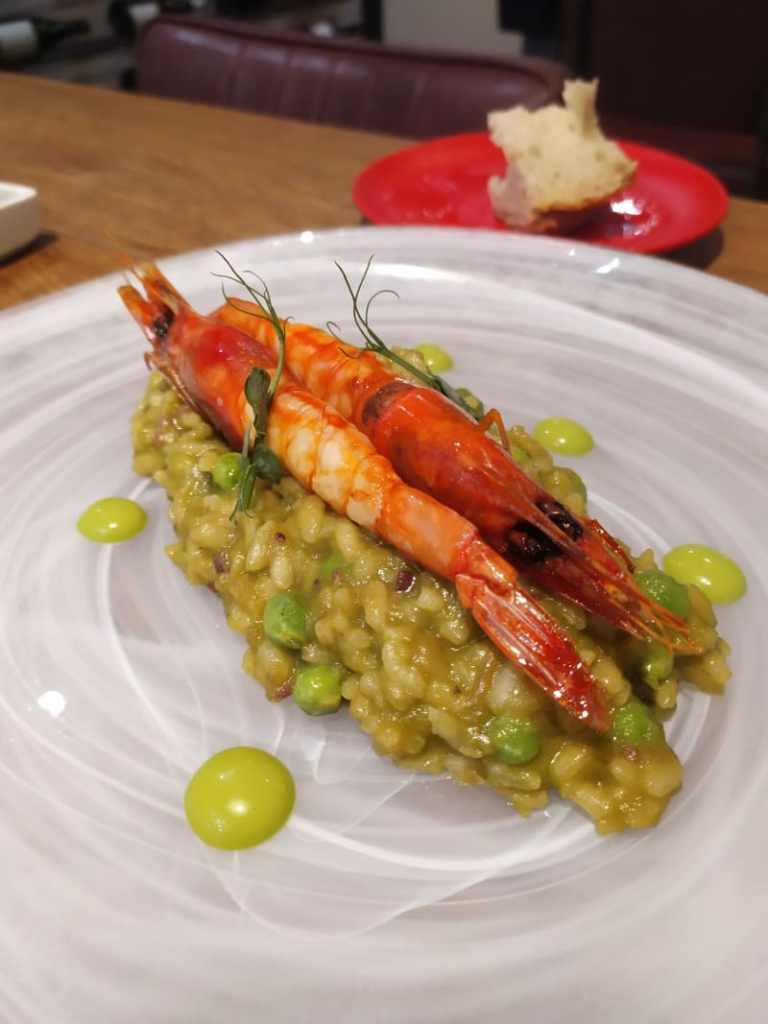
- Elsa & Fred – is the kind of bistro you stumble into once and immediately want to return to. I recommend it for breakfast, brunch or lunch only. Its cozy, vintage‑inspired atmosphere sets the tone for a meal that’s both comforting and subtly inventive. The menu blends Mediterranean and international touches with an easy confidence, offering dishes that are flavorful, beautifully presented, and surprisingly refined for such a relaxed setting. Service is friendly and thoughtful, adding to the sense of being warmly welcomed rather than simply served.
- Dos Pebrots – return to this restaurant every year. Dining at Dos Pebrots is always an unforgettable experience—playful, intelligent, and deeply rooted in culinary history. Each dish felt like a story brought to life, blending ancient techniques with bold, modern flavors, all delivered with warm, attentive service that made the evening feel both relaxed and extraordinary. The tasting menu is a must for first timers.
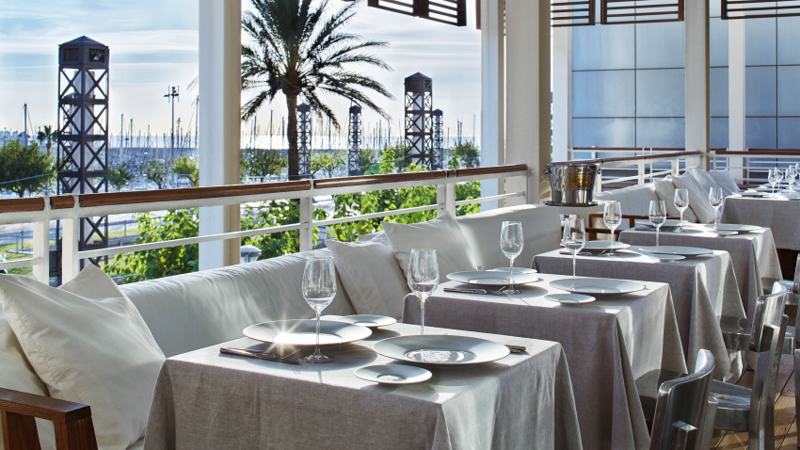
- Los Caracoles – carries the weight of history in every corner, and that’s part of its charm. As one of the oldest restaurants in Barcelona, it has a certain theatricality—narrow passageways, walls lined with decades of stories, and a sense that you’re stepping into a piece of the city’s past. The owner’s son was a genuine highlight: warm, welcoming, and clearly proud of his family’s legacy, which added a personal touch that many restaurants never achieve. The food, however, felt stuck in that same past, and not always in a nostalgic way. The dishes were undeniably traditional, but the execution leaned more toward dated than classic. Nothing was bad, but nothing really stood out either, especially in a city where traditional Catalan cooking can be vibrant and full of life. As for the atmosphere, it seemed designed with tourists in mind—lively, a bit theatrical, and heavy on the “old Barcelona” aesthetic. If you’re looking for an authentic time capsule, it delivers. If you’re hoping for culinary innovation or a more local vibe, it may fall short.
- GiGi von Tapas – better for lunch than dinner, this brightly lit, casual and young tapas restaurant, blends creativity with an easygoing, neighborhood vibe. The plates are colorful, inventive, and generously seasoned—each one offering a fun twist without losing the soul of classic Spanish cooking. The atmosphere is lively but relaxed, the kind of place where you can settle in with friends and let the day unfold. Friendly service and a sense of whimsy make it a delightful new‑school tapas experience.
- Bar del Pla – is one of those rare places that feels effortlessly alive. Tucked into El Born, it blends the warmth of a neighborhood spot with the precision of a kitchen that truly cares. The tapas are vibrant and full of character—classic Catalan flavors with just enough personality to surprise you. Dishes arrive meant to be shared, lingered over, talked about. The staff keep the energy bright without ever rushing you, and the space has that cozy, buzzing charm that makes you want to stay for “just one more” plate or glass of wine. It’s the kind of bar that turns a casual stop into a memorable evening, and a place you find yourself recommending again and again.
- Bar Mut – is a gem for those who appreciate refined cooking wrapped in an intimate, slightly bohemian atmosphere. The menu leans into market‑driven dishes with bold flavors and beautiful execution—think pristine seafood, rich sauces, and plates that feel both rustic and luxurious. The wine list is superb, the service warm and knowledgeable, and the whole experience has the charm of a place that knows exactly who it is. A perfect spot for a leisurely, indulgent meal that feels quietly special. One of our favorite meals of the trip.
- Caelis – lunch at Caelis is a reminder that Michelin‑starred dining doesn’t have to feel extravagant to be extraordinary. Their reasonably priced lunch menu delivers a beautifully choreographed experience: elegant plates, precise flavors, and a sense of calm refinement that never slips into formality (but I would, and have, ordered the full tasting menu instead). Each course feels thoughtful and balanced, showcasing the kitchen’s creativity without overwhelming the palate. The service is warm and polished, the room serene, and the entire meal leaves you with that rare feeling of having enjoyed something truly special at remarkable value. A standout midday indulgence. Our favorite meal of the trip.
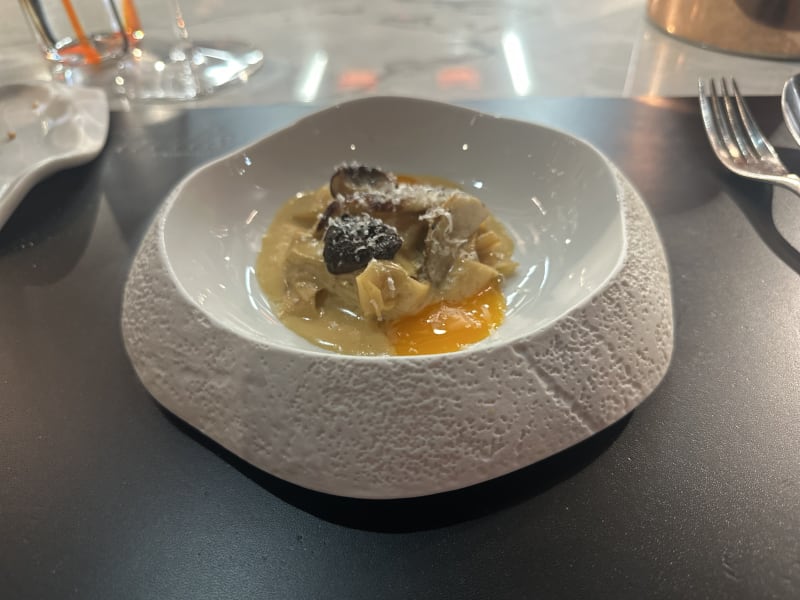
- Fismuler – feels like a restaurant that cooks straight from the heart. The moment you sit down, there’s an energy—warm, unpretentious, and quietly confident—that sets the tone for a meal built on honest ingredients and bold, expressive flavors. The menu leans into simplicity in the best possible way: dishes that look effortless but reveal layers of technique and creativity once you dig in. Service is relaxed yet attentive, the room buzzing with a kind of modern rustic charm, and every plate feels crafted to be shared and savored. A place that turns straightforward cooking into something genuinely memorable.
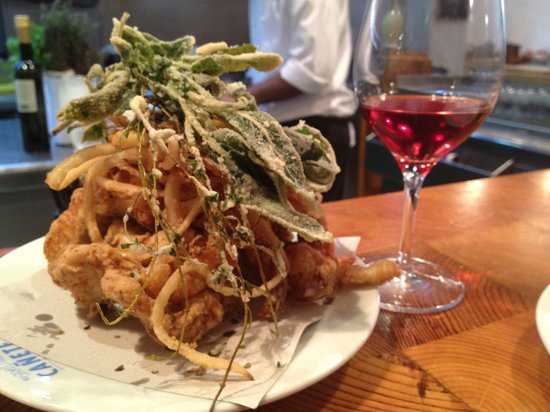
- Benzina delivers the kind of energy that makes a night out feel electric. The moment you step in, the NYC vibe hits you—industrial edges, warm lighting, a soundtrack with attitude, and a room that feels effortlessly cool. It fits perfectly into one of Barcelona’s hottest new neighborhoods, where creativity and reinvention are happening on every corner. The kitchen keeps that same spirit. The pasta dishes are the standouts, rich, confident, and deeply satisfying—comfort food elevated without losing its soul. And then there’s the faux eggplant “parmigiana” with parmigiana ice cream, a playful, clever twist that somehow manages to be both nostalgic and completely unexpected. It’s the kind of dish that makes you smile before you even take the first bite. Benzina is bold, stylish, and full of personality—exactly the kind of place that turns dinner into a night worth remembering.
- Can Fisher – Can Fisher has a lot going for it, starting with its unbeatable setting. Sitting right on the edge of Bogatell Beach, it’s the kind of place that practically invites a long, lazy lunch with sea views and sunshine. The service matches the mood—friendly, upbeat, and genuinely welcoming, which makes settling in easy. The food, though, doesn’t quite rise to the level the location promises. Everything is perfectly fine, but rarely more than that. The paella, which the restaurant is known for, looked sparce and delivered fairly average flavors, especially in a city where great rice dishes are almost a given. It wasn’t disappointing so much as unremarkable. Overall, Can Fisher is a lovely spot to enjoy the beach and good company, but if you’re going for the food alone, you may find yourself wishing for a bit more spark.
- Paco Meralgo – love this place and its fun atmosphere. It delivers exactly the kind of vibrant, high‑energy tapas experience that makes Barcelona dining so irresistible. Every plate felt fresh and full of character—from perfectly cooked seafood to classic Catalan bites—served with a warmth and efficiency that made the whole meal feel effortless and joyful.
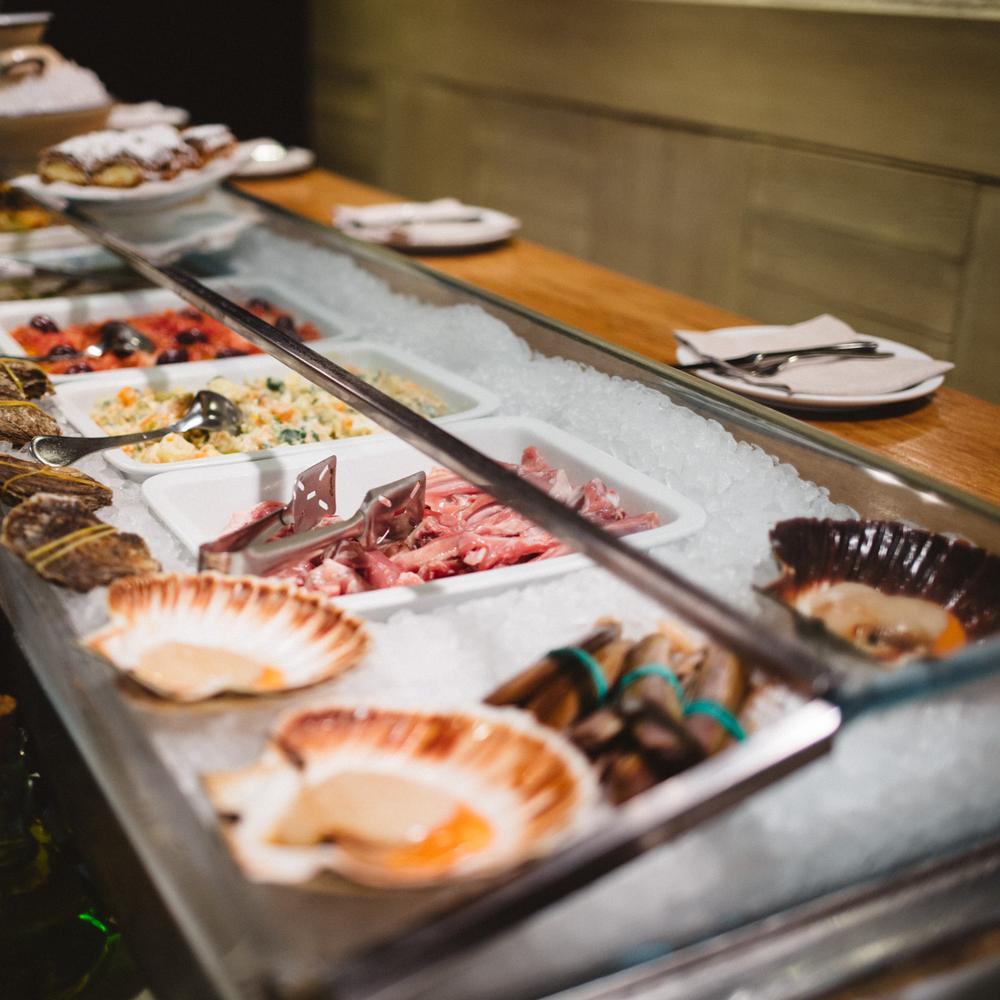
- Circulo del Liceo – Dining at the Círculo del Liceo feels like stepping into a beautifully preserved chapter of Barcelona’s cultural heritage. The setting is refined and intimate, wrapped in art, architecture, and a sense of old‑world sophistication that elevates the entire experience. The cuisine matches the surroundings—thoughtful, elegant, and executed with quiet precision. Service is gracious without being formal, creating a meal that feels both exclusive and warmly welcoming. A rare opportunity to savor exceptional cooking in one of the city’s most storied private spaces.
- Hofmann – has one Michelin Star and one of our favorite restaurants in Barcelona. Dining at Hofmann felt like stepping into a world where elegance and creativity meet on every plate. Each dish arrived as a small work of art—beautifully composed, deeply flavorful, and crafted with the kind of precision that makes you slow down and savor every bite. The service was warm and polished, turning an already exceptional meal into a truly memorable experience.
- Cal Pep – one of those Barcelona experiences that feels delightfully unscripted from the moment you sit down. There’s no menu, no decisions to make, no overthinking—just an energetic counter, a lively crowd, and chefs who size you up with a smile and start sending out whatever’s freshest and most exciting that day. The whole place hums with a kind of organized chaos: plates flying out, laughter bouncing off the walls, and diners leaning in to see what surprise dish lands next. What makes it so fun is the spontaneity. You surrender control, and in return you get a parade of tapas that feel personal, playful, and perfectly timed. It’s loud, it’s fast, it’s joyful—and it captures the spirit of Barcelona dining at its most authentic and unpretentious.
- Batea – want to return again and again…as it delivered a wonderfully polished seafood experience—fresh, bright, and full of clean, modern flavors. Every dish felt thoughtfully crafted, showcasing the ingredients without overcomplicating them, and the relaxed, attentive service made the whole meal feel effortlessly enjoyable.
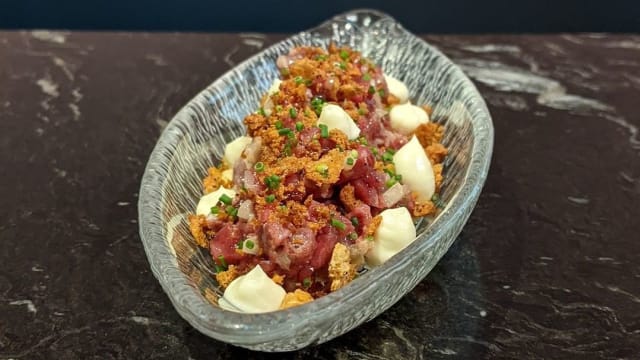
- Bar Canete – is one of those places that captures the soul of Barcelona in a single meal. It’s lively, warm, and deliciously chaotic in the best possible way—exactly what a great bodega‑style restaurant should be. The kitchen turns out classic dishes with remarkable finesse: perfectly seared seafood, rich croquettes, and market‑fresh plates that feel both rustic and elevated. The staff move with effortless charm, keeping the energy high without ever making you feel rushed. Every visit feels like stepping into a local secret that just happens to be exceptionally well‑executed. A joyful, flavor‑packed experience that never disappoints.
- Barbena – delivers the kind of meal that lingers with you long after you’ve left the table. The cooking is vibrant and deeply rooted in Catalan flavors, yet presented with a modern, confident touch that feels both soulful and refined. Dishes arrive beautifully composed, each one showcasing thoughtful technique without losing the warmth of honest, ingredient‑driven cuisine. The service is friendly and attentive, the atmosphere relaxed but polished, and the overall experience feels like discovering a restaurant that truly knows its identity. A delightful, memorable stop for anyone who loves expressive Mediterranean cooking.
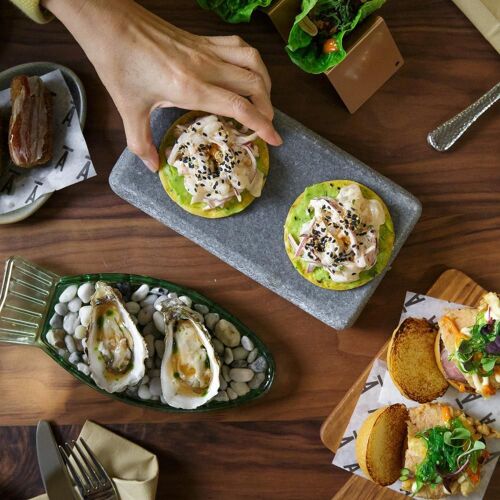
- Levadura Madre Natural Bakery – Pl de Sant Pere, 10 – doesn’t serve food but this new bakery was such a find that I had to include it. Their baguettes are the real standout—crackling, golden crusts that give way to a tender, airy interior with just the right chew. It’s the kind of baguette that makes you rethink every mediocre one you’ve ever had. The rest of the bread lineup keeps the bar just as high: rustic boules with deep, caramelized crusts, and seeded baguettes and loaves that feel both hearty and elegant (my favorite). It’s just great bread, made with care, and impossible to resist.
In the end, Barcelona never feels like a destination so much as a return—a place that greets me each January with the ease of an old friend. Its streets, museums, and kitchens have become woven into the rhythm of my life, revealing something new even as they offer the comfort of the familiar. Every visit deepens the connection, adding another layer to the story I’ve been writing here for years. As I pack up once again, I’m reminded that leaving Barcelona is never really goodbye; it’s simply the quiet promise of coming back to my second home.
 askilene.com