
From the bustling bazaars of Istanbul to the cave-carved landscapes of Cappadocia, the ancient ruins of Ephesus, and the turquoise waters of Bodrum, my journey through Turkey was a rich blend of history, culture, and natural beauty. This captivating country, where continents meet and civilizations intertwine, offered unforgettable experiences at every turn. Whether I was wandering through centuries-old streets, exploring awe-inspiring ruins, climbing surreal rock formations, or soaking up the coastal charm, every part of the trip brought something new and exciting. Come along as I share the stories, sights, and flavors that made my Turkish adventure truly special.
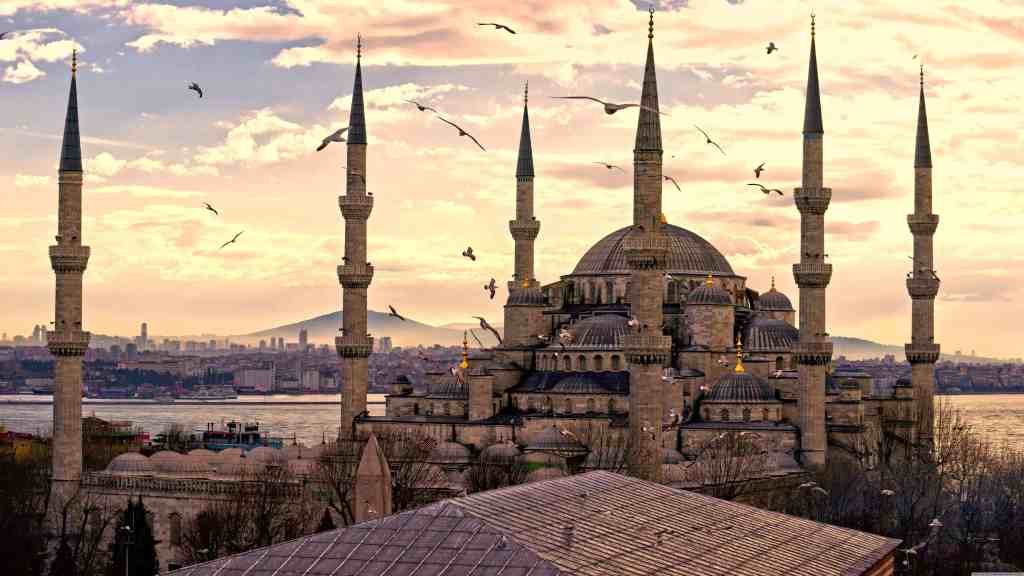
Istanbul – Hagia Sophia, Blue Mosque, Topkapi Palace, Cruising the Bosphorus…
Visiting Istanbul is a rich, sensory experience that blends the energy of a modern city with the weight of centuries-old history. At every turn, the city offers stunning architecture and world-famous landmarks—from the majestic domes and minarets of Hagia Sophia and the Blue Mosque to the labyrinthine halls of Topkapi Palace. A stroll through the Grand Bazaar overwhelms the senses with its vibrant textiles, glittering jewelry, and the hum of bargaining voices. A short ferry ride across the Bosphorus offers a unique perspective of the city’s skyline while physically crossing from Europe to Asia. Istanbul’s layers of Roman, Byzantine, and Ottoman history are ever-present, with treasures like the Basilica Cistern and the mosaics of Chora Church waiting to be discovered.
Beyond the tourist attractions, Istanbul is best appreciated at a slower pace, wandering through its diverse neighborhoods. In Karaköy and Balat, colorful old houses, steep cobbled streets, and quirky shops reflect the city’s bohemian soul. In Kadıköy, on the Asian side, the vibe is laid-back and local, with bustling food markets and streets lined with bookstores and vintage boutiques. Sitting at a sidewalk café—sipping strong Turkish tea or thick coffee while watching the ebb and flow of daily life—is a beloved ritual. Whether you’re people-watching in a lively square in Beyoğlu or enjoying a quiet corner near the Bosphorus in Arnavutköy, the city invites you to slow down, soak in the atmosphere, and fall into step with its unique rhythm.
Must Visit Attractions
- Haga Sophia
- Blue Mosque
- Turkish & Islamic Arts Museum
- Basilica Cistern
- Galata Tower
- Hippofrome
- Topkai Place
- Istanbul Archeological Museum
- Museum Modern Art
- Dolmabahce Palace
- Ottoman Royal Barges
- Suleymaniye Mosque
- Grand Bazaar
- Spice Market
- Bosphorus Cruise
- Karaköy and Balat Neighborhoods
Hotels – Highly recommend all four of the hotels below that we stayed in.
- Orient Occident Hotel Istanbul
- Four Seasons Hotel at Sultanahmet
- Shangri-La Bosporus
- JW Marriott Istanbul
Restaurants – you should be aware that the government has imposed a 80% “sin” tax on wine and spirits.
- OCAK – Definitely #1 on my restaurant list. OCAK has breathed new life into this former tobacco warehouse in the Old City, turning it into an intimate restaurant with exposed brick walls, soft lighting and marble finishings. The chef proposes only a single set menu that showcases his unique take on Turkish cuisine. He elevates chickpeas to new heights in a variety of dishes, including an amazing crispy deep-fried creation. He consistently strikes a perfect balance between tradition and modernity. Your curiosity will be piqued by every dish.
- Lokanta – My second favorite. This beautiful contemporary restaurant with a romantic roof terrace is right next to Cağaloğlu Hamam (and you walk through the Hamam, to get to the restaurant…very interesting view). It serves Turkish culinary classics, some dating back to 1741, with a modern twist.
- Roof Messe 360 – Good place to have a meal outside watching the sunset.
- Karakoy Lokantasi – With a selection of over 80 mezze, a whole host of sharing platters and other traditional dishes, you’re spoilt for choice. The chef uses top-quality ingredients and avoids unnecessary complexity. His dishes pack a punch, with subtle Greek influences appearing throughout. Delicious food and great value for money!
- Cuma – A stroll through the trendy Çukurcuma neighbourhood, which is famous for its antique shops, should certainly include a meal at Cuma. At this cosy establishment – be sure to secure a spot on the front terrace – you can tuck into a traditional Mediterranean-style dinner. Seasonal ingredients are showcased brilliantly in tapas such as sea bass ceviche, generously topped pizzettas, aromatic pasta dishes etc. The chef places special emphasis on vegetarian dishes, such as mushroom skewers and halloumi cheese with braised onion, pomegranate and deep-fried polenta. Great value for money!
- Sur Balik Cihangir – Mediocre and expensive, avoid
Tours / Cooking Classes
- Alaturka Cooking Class – Fun, small class with great chefs.
- Abercrombie & Kent – Turkey: A Journey Through History tour – Excellent tour, covering all the sites outside Istanbul. We added on seven days in Istanbul, to tour by ourselves, as the time allotted by A&K is way to short to really see the city. It’s an easy and safe city to get around in and public transpiration is great (tram, buses and ferries).
- European & Asian Guided Foodie Walking Tour (Get Your Guide) – Excellent, highly recommended.
- Private Walking Tour (Get Your Guide) – You should know in advance what you want them to plan for you otherwise too general an overview of the city.

Bodrum – Underwater Archaeology Museum / Castle of St. Peter
Wandering into Bodrum, you’re greeted by its chic marina—sleek yachts swan around while waterfront cafés and restaurants buzz with energy. Just beside this modern scene looms the imposing Castle of St. Peter, a 15th-century Knights Hospitaller fortress built from stones pilfered from the Mausoleum at ancient Halicarnassus. Inside its thick Gothic walls lies Turkey’s premier Underwater Archaeology Museum, opened in 1964: fourteen exhibition halls brimming with shipwreck treasures—from Bronze‑Age amphoras and Byzantine glass cargos to the famed Uluburun cargo and the Carian Princess’s sarcophagus . Exploring the castle’s towers, courtyard gardens, and museum galleries offers sweeping views of the Aegean and a captivating dive into maritime history—all framed by the lively marina at its feet.
Hotel – The Marara Bodrum

Euromos – Temples of Zeus, Apollo & Athena
Visiting the ancient temples of Zeus, Apollo, and Athena offers a powerful glimpse into the grandeur of classical antiquity set against stunning Anatolian landscapes. The Temple of Zeus in Aizanoi (modern-day Çavdarhisar) rises dramatically with its well-preserved Corinthian columns, once the heart of a Roman imperial cult. At Didyma, the Temple of Apollo awes visitors with its colossal size and intricately carved columns—an unfinished sanctuary that once rivaled the great oracles of the ancient world. Meanwhile, perched high on the acropolis of Pergamon, the Temple of Athena commands sweeping views of the surrounding valley, its fragments whispering the intellectual and military might of a Hellenistic power. Each site stands as a silent testament to the myths, rituals, and architectural genius of ancient civilizations, inviting travelers to walk among gods and ruins in a land where history breathes from the stones.
Hotel – Swissotel Buyuk Efes

Ephesus – Archaeological Park & Museum
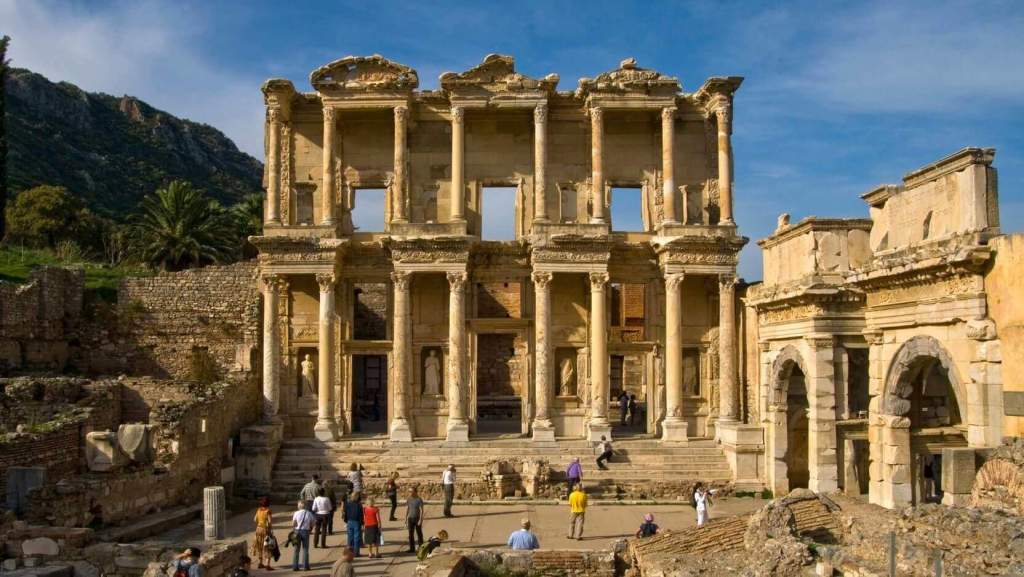
Ephesus Archaeological Park is one of the most spectacular ancient sites in the world, offering an immersive journey through the grandeur of a once-thriving Greco-Roman city. Walking along the marble-paved Curetes Street, visitors encounter iconic landmarks like the Library of Celsus, the Great Theatre with seating for 25,000, and the Temple of Hadrian, all remarkably preserved and evocative of daily life in antiquity. The terraced houses, with their intricate mosaics and frescoes, reveal the opulence of Ephesus’s elite. Just outside the park, the Ephesus Archaeological Museum in nearby Selçuk houses many original statues, artifacts, and reliefs from the site, including the famous statue of Artemis, the city’s patron goddess. Together, the park and museum provide a powerful window into the social, religious, and architectural legacy of one of the ancient world’s most influential cities.
Hotel – Swissotel Buyuk Efes
Cappadocia – Fairy Chimneys, Rock-Carved Churches, Underground City
Visiting Cappadocia feels like stepping into another world, where surreal landscapes and ancient history converge in the heart of central Turkey. The region’s iconic fairy chimneys—tall, conical rock formations shaped by millennia of erosion—create a dreamlike terrain best viewed at sunrise from a hot air balloon drifting above the valleys. Carved into the soft volcanic rock are centuries-old churches, many tucked away in the Göreme Open-Air Museum, where visitors can admire vivid Byzantine frescoes, especially in the hauntingly beautiful Dark Church (Karanlık Kilise), known for its well-preserved paintings and subdued lighting. Beneath the surface, Cappadocia reveals an astonishing secret: vast underground cities like Derinkuyu and Kaymaklı, which once sheltered thousands during times of invasion, complete with ventilation shafts, stables, kitchens, and even churches. This blend of natural wonder and human ingenuity makes Cappadocia a truly unforgettable destination.
Hotel – Argos Cappadocia – loved this hotel and would have like to stayed a couple more days here.

As my journey through Turkey comes to a close, I’m left in awe of the country’s rich tapestry of history, culture, and natural beauty. From the bustling streets and majestic mosques of Istanbul to the surreal, otherworldly landscapes of Cappadocia, and the ancient ruins of Ephesus whispering stories of civilizations long past — each destination offered its own unique magic. Turkey is a land where East meets West, past meets present, and every moment feels like a step through time. If you’re looking for a place that stirs the soul and sparks the imagination, Turkey is the trip for you.
 askilene.com