
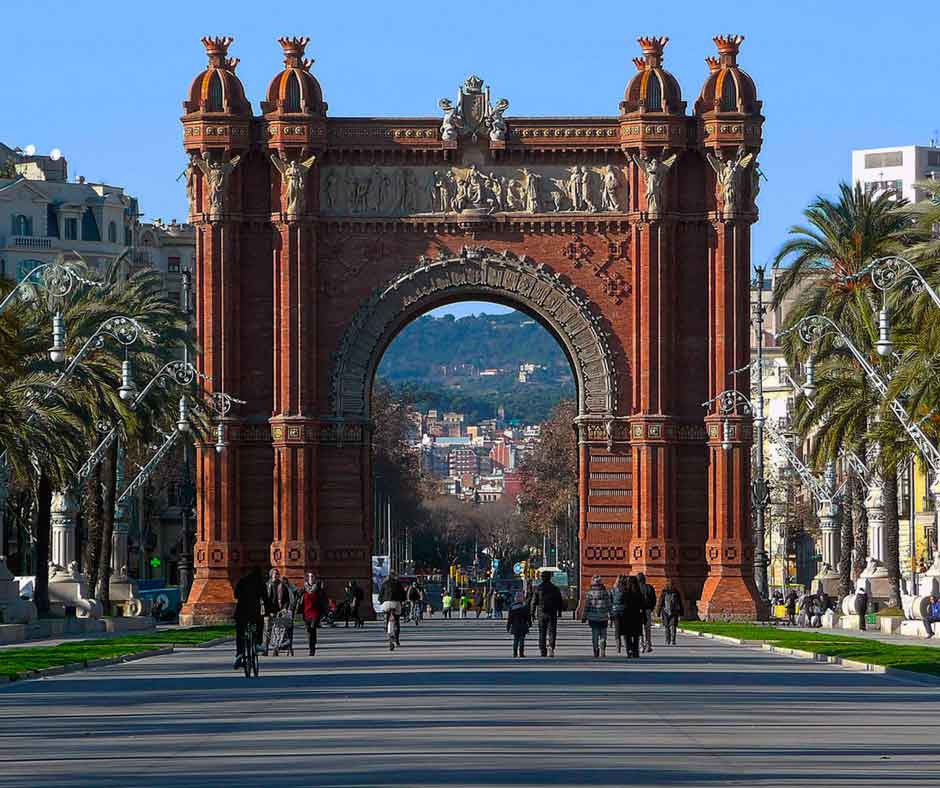
Barcelona in the heart of winter has become something of a tradition for us—this being our fifth five-week escape to the city, timed perfectly with the quiet magic of January and February. Far from the summer crowds, Barcelona reveals a slower, more intimate side: empty beaches framed by soft gray skies, cozy cafés glowing with warmth, and locals reclaiming their rhythm. Each visit deepens my connection to this endlessly vibrant city, and this year’s return felt like coming home to an old friend—one who always has new secrets to share.
In this post, I’ll be focusing on the new places I discovered during this year’s stay—fresh destinations, hidden corners, and restaurants that were new to me on this fifth visit. If you’re looking for recommendations on the classic spots I return to year after year, feel free to check out my post from last January, where I cover many of my tried-and-true favorites. This time around, it’s mostly about the new experiences that made this visit unique.
Trips outside Barcelona
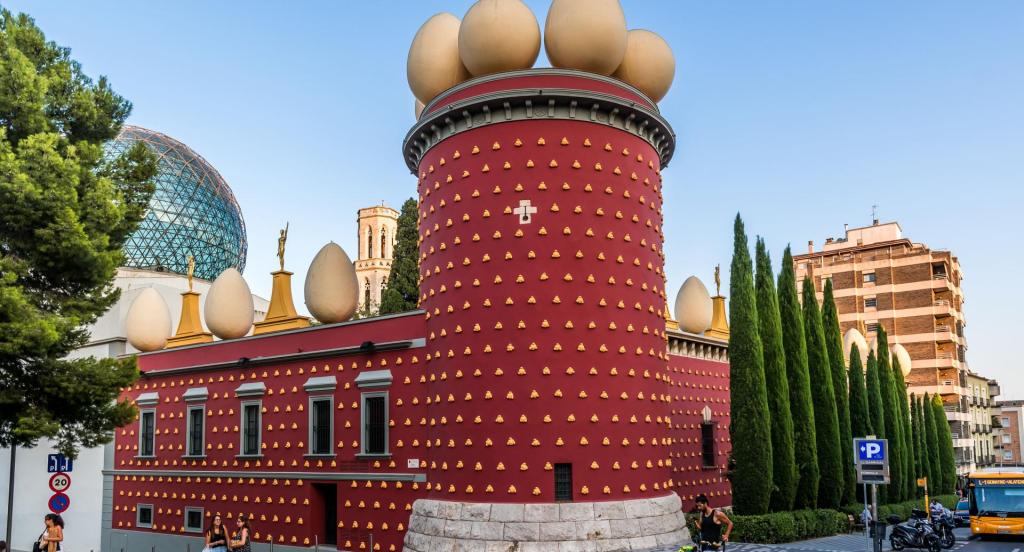
- Dali Museum & House and Cadaques Tour (with my favorite tour company, Explore Catalunya) – One of the most memorable day trips from Barcelona was our visit to the Dalí Theatre-Museum in Figueres and the Dalí House in Portlligat, followed by a few peaceful hours in Cadaqués. The museum in Figueres was a surreal, immersive dive into Dalí’s eccentric world—wild, theatrical, and endlessly fascinating. From there, we drove along winding coastal roads to the artist’s former home in Portlligat, a maze-like space filled with his personal touches, creative energy, and stunning views of the sea. We ended the day in Cadaqués, a charming whitewashed village that feels untouched by time. With its quiet waterfront, narrow streets, and relaxed atmosphere, it was the perfect place to reflect on the art, the scenery, and the strange beauty of it all.
- Cava Tour to three Family Wineries Tour (Wino Tours) – One of the standout experiences of our trip was a full-day Cava tour to three small, family-run wineries nestled in the Penedès countryside. Each stop offered an intimate look at the generations-old traditions behind this sparkling wine, with passionate winemakers sharing stories and techniques passed down through their families. Tasting Cava straight from the source was a revelation—the complexity, finesse, and care in each glass was worlds apart from the mass-produced bottles we’re used to seeing at home. Crisp, elegant, and deeply expressive, this Cava had depth and personality that made us rethink everything we thought we knew about it. It was not just a tasting—it was a celebration of Catalan craftsmanship.
- Sevilla – Stayed three days in this great city and highlight it in a separate section below.
Museums, Festivals, Concerts…
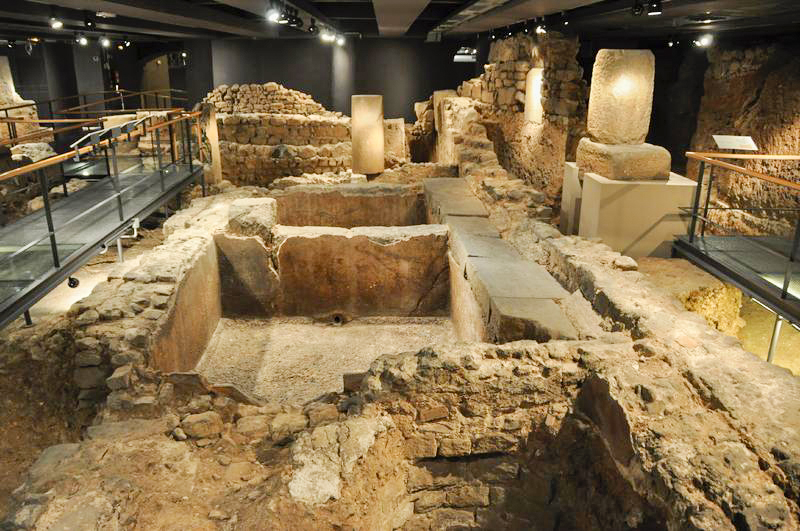
- MUHBA Museum (Roman & Midlevel) – https://www.barcelona.cat/museuhistoria/en – You can walk this underground area, along the streets of Roman Barcelona, past the city wall; and have a look around a laundry from the 2nd century A.D. This site also features some important medieval buildings, such as Palau Reial, the Chapel of Santa Àgata and Saló del Tinell, in addition to the Gothic mansion of Casa Padellàs, originally located in another part of the city.
- Museum National D’Art De Catalunya – https://www.museunacional.cat/en/about – Exploring the Museu Nacional d’Art de Catalunya (MNAC) atop Montjuïc is an unforgettable journey through Catalonia’s artistic soul—its Romanesque frescoes, Gothic altarpieces, and modernist masterpieces come alive within the grand Palau Nacional. The expansive collection is anchored by the world-renowned Romanesque murals, including the awe‑inspiring apse of Sant Climent de Taüll, beautifully transferred from Pyrenean churches to preserve their medieval majesty. From there, you weave through Gothic, Renaissance, and Baroque galleries graced by works from El Greco, Velázquez, and Titian, before entering the vibrant halls of Catalan Modernisme—where icons like Gaudí, Ramon Casas, and Santiago Rusiñol showcase the region’s turn‑of‑the‑century flair. Beyond paintings and sculpture, the museum’s photography and print collections offer a visual chronicle of Catalonia’s cultural evolution, and rooftop terraces reward visitors with sweeping panoramas of Barcelona and evening Magic Fountain shows. Set aside at least half a day—and wear comfy shoes—as you climb from the museum’s monumental foyer to its breathtaking Oval Hall and then upwards to the dome, soaking in both art and vista in tandem.
- Miles van der Rohe Pavilion –https://miesbcn.com/the-pavilion/ – This impressive Pavilion is the example of the Modern Movement, and has been exhaustively studied and interpreted as well as having inspired several generations of architects. It was designed by Ludwig Mies van der Rohe and Lilly Reich as the German national pavilion for the 1929 Barcelona International Exhibition. Built from glass, steel and different kinds of marble, the Pavilion was conceived to accommodate the official reception presided over by Kings of Spain Alfonso XIII and Victoria Eugenia along with the German authorities.
- Joan Miro Museum – https://www.fmirobcn.org/en/ – Visiting the Joan Miró Museum on Montjuïc was a vibrant and inspiring experience, offering a deep dive into the colorful, whimsical world of one of Catalonia’s most beloved artists. The museum’s airy, light-filled design perfectly complements Miró’s bold shapes, playful lines, and surreal imagination. From early sketches to large-scale sculptures and tapestries, the collection showcases his evolution as an artist and his unique visual language. Wandering through the galleries felt like exploring a dream—abstract yet emotionally resonant, filled with symbolism and curiosity. The rooftop sculptures, set against panoramic views of Barcelona, were a perfect finale to this creative and contemplative visit.
- Casa Museu Amatller – Visiting Casa Museu Amatller offered a fascinating glimpse into the life of a wealthy chocolatier in early 20th-century Barcelona. Nestled beside the more famous Casa Batlló, this Modernist masterpiece designed by Josep Puig i Cadafalch is often overlooked but absolutely worth a visit. The façade alone, with its stepped gable and intricate sculptures, is striking, but the real charm lies inside. The preserved interiors are richly decorated with original furniture, stained glass, and tilework that reflect the eclectic tastes of its owner, Antoni Amatller. Touring the home felt like stepping back in time, especially with the stories of the Amatller family’s love of art, travel, and, of course, chocolate woven throughout the visit.
- Palau De La Musica – https://www.palaumusica.cat/ca – Touring the Palau de la Música Catalana was a feast for the senses—a kaleidoscope of stained glass, sculpted stone, and intricate mosaics that left us awestruck before the performance even began. This Modernist gem, with its exuberant, colorful design and natural light flooding through the iconic stained-glass skylight, is a destination in itself. But the true magic came when we settled into our seats to experience Madama Butterfly. The emotion and beauty of Puccini’s opera, performed in such an intimate and ornate setting, made for an unforgettable evening. The tragic tale, soaring arias, and world-class vocals were all the more moving in this stunning venue, where music and architecture combined in perfect harmony.
Restaurants
This year’s culinary explorations in Barcelona brought some exciting new additions to my list. I finally had the chance to dine at Oria, a beautifully refined restaurant where each dish felt like a work of art—elegant, thoughtful, and deeply satisfying. SOLC, tucked inside the Majestic Hotel, offered a more traditional Catalan experience with a seasonal menu that celebrated local ingredients in the most comforting way. For something more casual and buzzing with energy, Cal Pep lived up to its reputation with its lively bar seating and impossibly fresh tapas. And for variety in one spot, I couldn’t resist the Time Out Market, where I sampled everything from gourmet croquettes to creative desserts, all under one stylish roof. Each brought a different flavor to this year’s visit and reminded me why Barcelona remains one of the best food cities in the world.


- Oria (Monument Hotel) –https://www.monumenthotel.com/en/oria-restaurant-barcelona-1-michelin/ – Dining at Oria feels like stepping into a refined, light‑filled haven right in the lobby of the Monument Hotel, where modern Mediterranean elegance meets Basque soul. Designed around an inverted‑pyramid skylight and a sleek “lamp‑pool,” the space feels both grand and intimate. Led by Martín Berasategui and his chef Xabi Goikoetchea, Oria offers a choice of expertly crafted tasting menus and we loved the elegant presentation, thoughtful wine pairings, and warm yet polished service. Whether you’re seated for lunch or dinner, Oria strikes a perfect balance—accessible yet elevated, comforting yet inventive—making it a highlight of any Barcelona culinary journey.
- SOLC (Majestic Hotel) –https://majestichotelgroup.com/en/barcelona/hotel-majestic/gastronomy/restaurant-solc – Located on the first floor of the elegant Majestic Hotel & Spa there is an elegant ambiance that pervades the entire building. Good Mediterranean cuisine with a Catalan influence. They showcases ingredients from the nearby Maresme area, where the restaurant has its own farm which provides much of the produce used here on a daily basis.
- Cal Pep – https://www.calpep.com/ – Eating at the bar is what this restaurant is all about (though they have a small dining room where you can make reservations if you are a large group). No reservations at the bar, just get in line, order a glass of wine and socialize with the others also waiting to dine on this delicious food. There is no menu, just order what you would like to drink, and they will serve you the specials of the day. It’s a wonderful, friendly experience.
- Time Out Market – Time Out Market Barcelona is a culinary wonderland nestled at Port Vell on the top floor of the Maremagnum center. Spanning over 5,250 m, it brings together 14 expertly curated kitchens, a full-service restaurant, and four vibrant bars—including the world-renowned Paradiso cocktail bar—across indoor and outdoor terraces with sweeping sea and city views . Whether you’re craving Michelin‑starred fare, artisanal coffee, gourmet pizzas, or inventive street food, the communal tables and lively cultural events make it feel like the beating heart of Barcelona’s food scene . It’s the ultimate one-stop destination for tasting the best of the city in a single, unforgettable visit.
Restaurants I love and visit every year
- No visit to Barcelona feels complete without returning to a few of my all-time favorite restaurants—places that have become essential stops on each trip. Hofmann continues to impress with its flawless balance of creativity and precision, offering an elevated dining experience that somehow still feels warm and inviting. Dos Pebrots remains a standout for its bold, historical approach to Mediterranean cuisine—every dish tells a story, and I always leave inspired. At Batea, the focus on ultra-fresh seafood prepared with a modern twist keeps it at the top of my list, especially for a leisurely lunch. And of course, Paco Meralgo never disappoints with its vibrant atmosphere and consistently delicious tapas—it’s the kind of place that reminds you why Barcelona is so easy to fall in love with.
- Hofmann
- Dos Pebrots
- Batea
- Paco Meralgo
- Fismuler
- Bodega la Puntual
- Tapeo
- Elsa y Fred
- Bar Del Pla
Sevilla
Midway through our Barcelona stay, we took a four-day detour to Sevilla, and it was every bit as enchanting as we hoped. The city pulses with a rich blend of history, architecture, and soul—where flamenco isn’t a performance but a way of life. We wandered through the winding lanes of the Santa Cruz neighborhood, marveled at the intricate beauty of the Real Alcázar, and soaked in the golden light at Plaza de España. Every day began with strong coffee and ended with tapas under orange trees, with slow, sunny afternoons in between. Sevilla offered a warm contrast to Barcelona’s urban energy—more relaxed, more intimate, and deeply memorable.
- Hotel – Alfonso XIII – Our stay at the Hotel Alfonso XIII in Sevilla was nothing short of exceptional. From the moment we stepped through its grand Moorish-style arches, we were transported into a world of elegance and history. The interiors were rich with Andalusian charm—tiled courtyards, ornate ceilings, and lush gardens that felt like a serene escape in the heart of the city. The service was impeccable, striking the perfect balance between warm hospitality and refined attention to detail. It was the perfect base for exploring Sevilla, and returning each evening felt like coming home to a palace.
- Restaurants – Sevilla’s food scene brought some memorable highs—and one low. One of our favorite dining experiences was at Az-Zait https://azzait.eatbu.com/?lang=es, a warm and welcoming spot where creativity and flavor came together beautifully. The tasting menu was thoughtful and inventive, each dish carefully presented without feeling overly fussy. The service was friendly and personal, and the cozy atmosphere made it feel like a hidden gem tucked away from the tourist trail. On the flip side, Lalola was a disappointment. Despite the promising reviews, we found the ambiance cold and uninviting, and the food was underwhelming—lacking the depth and freshness we’ve come to expect from Andalusian cuisine. It was one of the rare misses on an otherwise delicious trip.
- Alcazar & Cathedral Tour (Viatour) – Our tour of Sevilla’s Real Alcázar and Cathedral was a highlight of the trip, immersing us in the city’s layered history and breathtaking architecture. The Alcázar, with its intricate Mudejar designs, lush gardens, and quiet courtyards, felt like stepping into a living work of art—each room revealing centuries of cultural fusion. From the delicate tilework to the soaring ceilings, every detail was mesmerizing. Just a short walk away, the Sevilla Cathedral—one of the largest in the world—stunned us with its immense scale and Gothic grandeur. Climbing the Giralda Tower rewarded us with sweeping views of the city’s rooftops and winding streets below. Together, these two sites offered a deep and unforgettable glimpse into Sevilla’s soul.
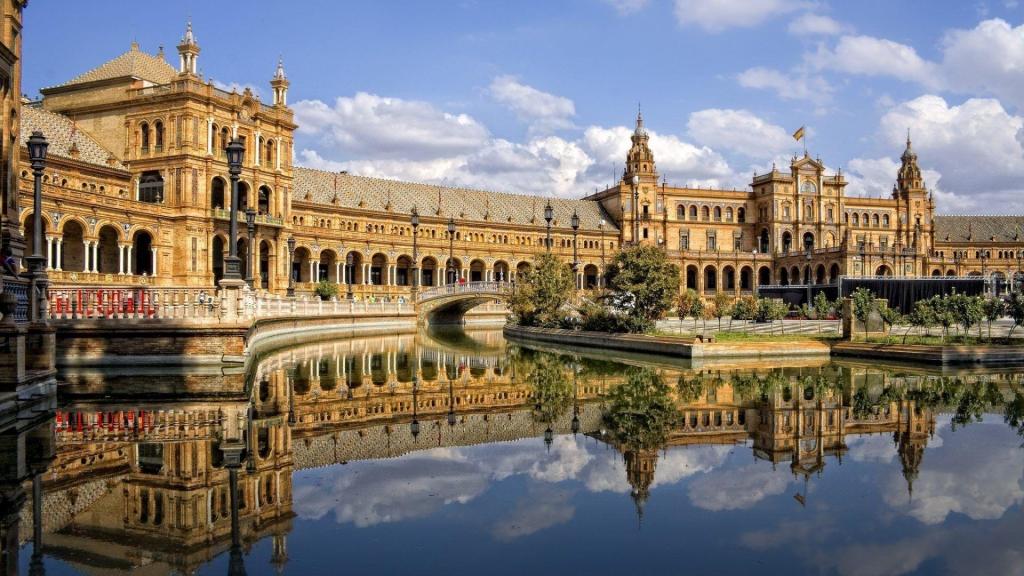
- Favorite Sites – Two of our favorite places in Sevilla captured the city’s charm in completely different but equally powerful ways. Plaza de España was breathtaking—a sweeping semicircle of ornate architecture, colorful tilework, and graceful bridges over a gentle canal. Whether we were strolling along its curved promenade or simply sitting and taking in the view, it felt like a scene from a dream. In contrast, the old Jewish quarter (Barrio de Santa Cruz) offered a quieter, more intimate beauty. Its narrow, winding streets, flower-draped balconies, and hidden plazas invited slow exploration and felt steeped in history. Getting a little lost there wasn’t just inevitable—it was part of the magic.
As always, our annual trip to Barcelona was a perfect blend of familiar comforts and new discoveries. Each visit deepens our connection to the city—from the timeless architecture and lively neighborhoods to the unforgettable meals and quiet coastal moments. This year brought fresh flavors, a side trip to Sevilla, and a renewed appreciation for the rhythm of local life during the quieter winter months. Saying goodbye is never easy, but knowing we’ll be back makes it a little easier. Until next time, Barcelona—gràcies for another beautiful chapter.
 askilene.com